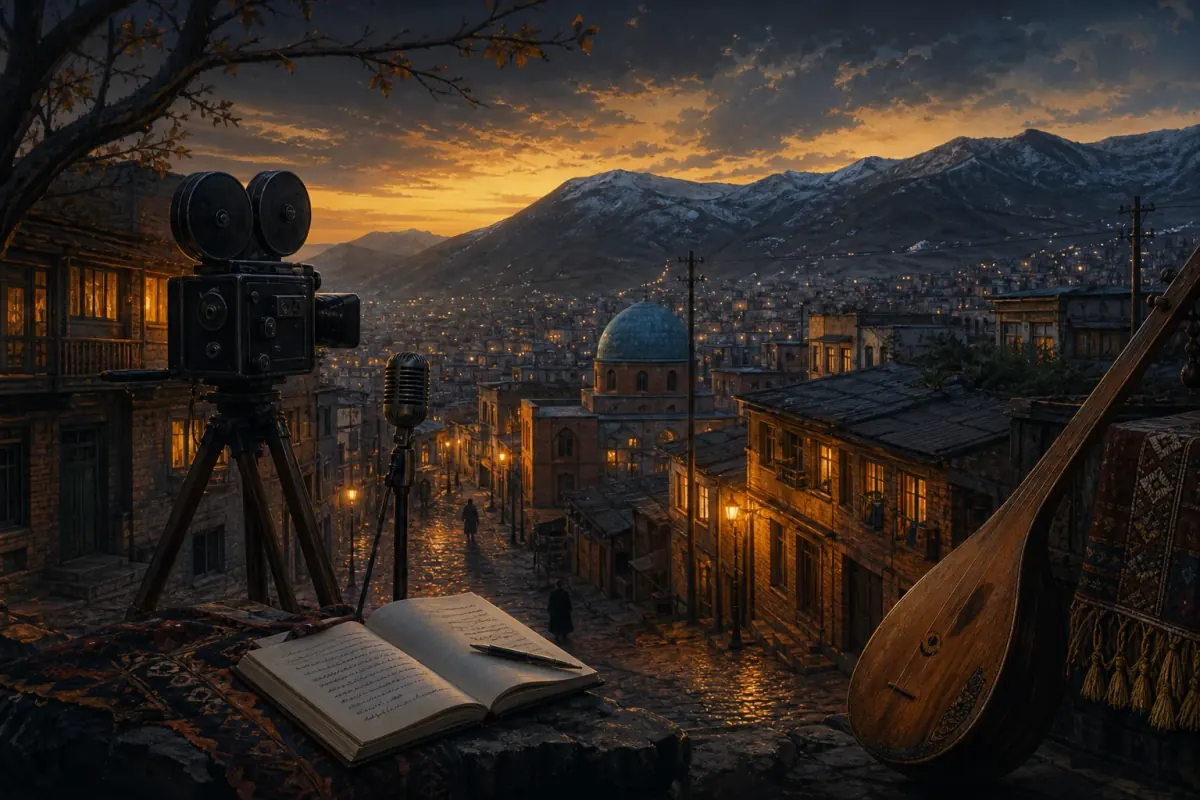
Abbas Kamandi: Sanandaj's Singer, Poet and Filmmaker
Abbas Kamandi was one of those rare artists who seemed to do everything. The Sorani press called him "the man of seven arts": singer, poet, writer, painter, screenwriter, director and broadcaster…
Articles, music analysis, history of Kurdish songs, and learning guides from KurdNote.
RSS
Abbas Kamandi was one of those rare artists who seemed to do everything. The Sorani press called him "the man of seven arts": singer, poet, writer, painter, screenwriter, director and broadcaster…
Adnan Karim is one of the most loved voices in Sorani Kurdish music. A painter, oud player and composer as well as a singer, he has spent more than four decades setting the verses of classical…
In the tea houses of Sulaymaniyah, a few faces look down from the walls: poets, singers, the heroes of the city's long story. One of them is Hama Jaza. For a generation of Kurds in Iraq, his voice…
Few Kurdish singers have had a life as unusual as Homer Dizayee's. He grew up in a village on the Erbil plain, recorded his first song in Baghdad, and then spent more than half a century abroad: as a…
Few families have done as much for Kurdish music as the Kamkars. From a house in Sanandaj, a violin teacher and his children built an ensemble that took Kurdish songs to WOMAD, European concert halls…
Kurdish music has no single birthplace and, for most of its life, no written score. It lived in memory: in the voice of a village storyteller, a mother's lullaby, a wedding drummer's rhythm, a…
Some voices belong to a whole generation. For Kurds who grew up in the 1980s and 1990s, with Kurdish radio at home and cassettes passed from hand to hand in exile, Merziye Feriqi was one of them. She…
Ask any Kurd to sing you an old song and you will usually get one from a short list. Radio carried these songs in the 1950s and 1960s, cassettes in the 1970s and 1980s, and phones carry them today…
In the Goyje neighbourhood of Sulaymaniyah, a family of mullahs, poets and maqam singers produced two of the most important names in twentieth-century Sorani culture. One brother, Muhamad Salih…
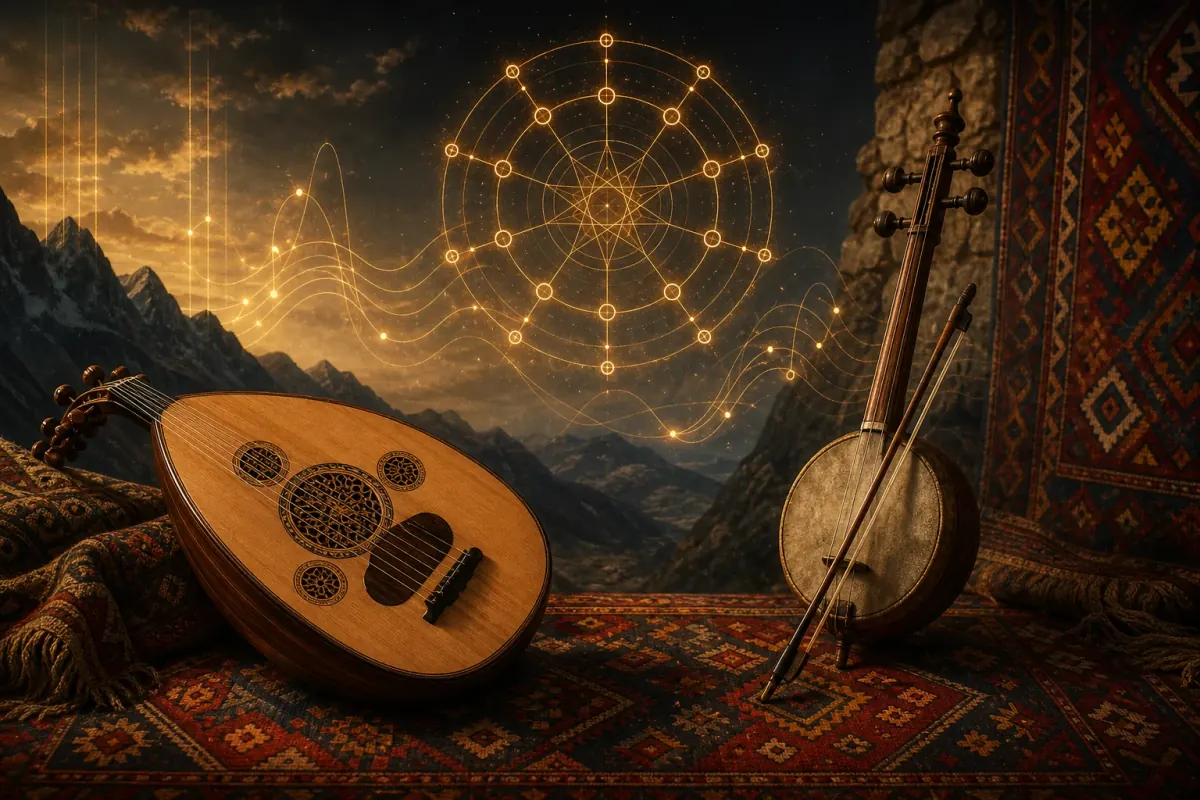
If you have ever tried to play a Kurdish song on a piano and felt that something was "missing," you have already met the maqam. The maqam is the modal system that shapes most Kurdish, Arabic, Turkish…
Ask a Sorani speaker to name one singer, and the answer is very often Hassan Zirek (also spelled Hassan Zirak or Hesen Zîrek). More than fifty years after his death, his voice is still everywhere: on…
For many Kurds who grew up around the turn of the millennium, Zakaria Abdulla was the sound of the car stereo, the wedding hall and the satellite channel all at once. An Erbil-born singer and…
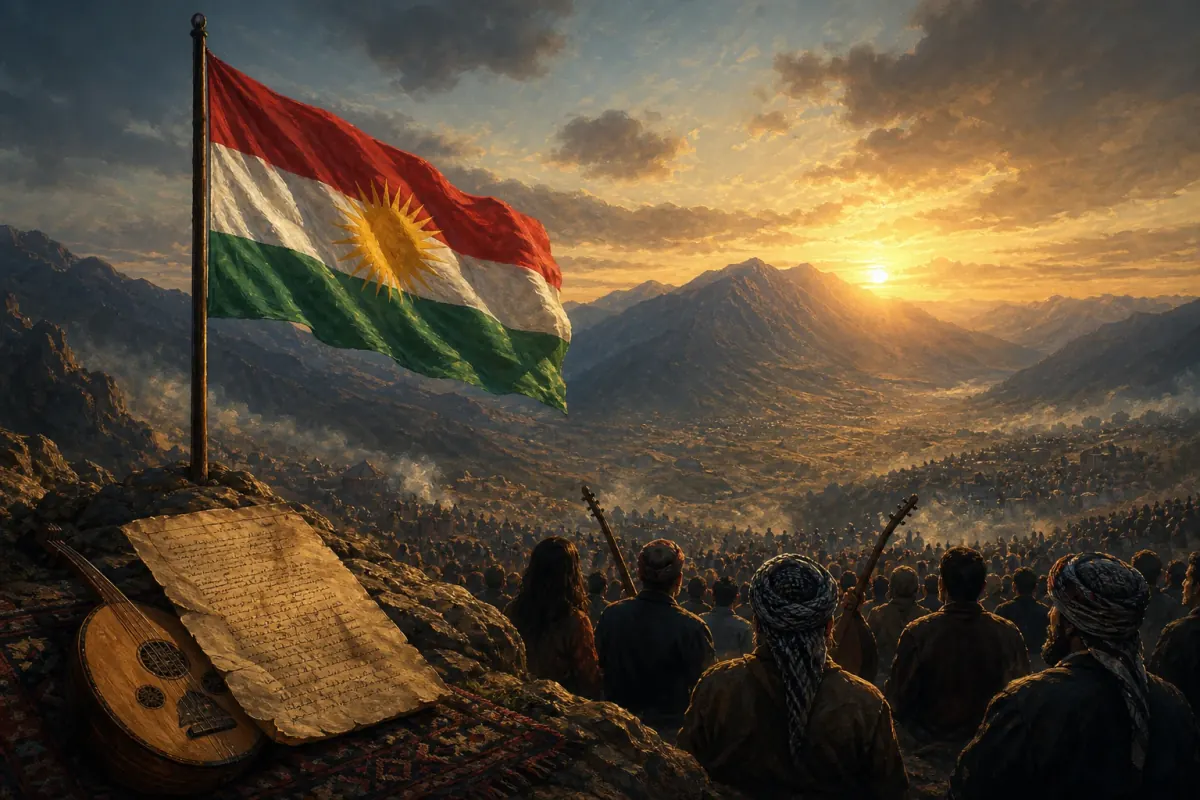
Every Kurd knows the first line. Ey reqîb, her mawe qewmî Kurd ziman: "O enemy, the Kurdish-speaking nation still lives." Ey Reqîb, the Kurdish national anthem, is sung at Newroz fires, football…
If Kurdish music has survived 100 years of borders, exile, and outright bans, it's because of the singers. Twelve voices in particular shaped what we know today as the Kurdish musical canon …
Kurdish music has been passed down orally for centuries — from the dengbêj (storyteller-singers) of Northern Kurdistan to the maqam masters of the south. Only in the last fifty years has Kurdish folk…
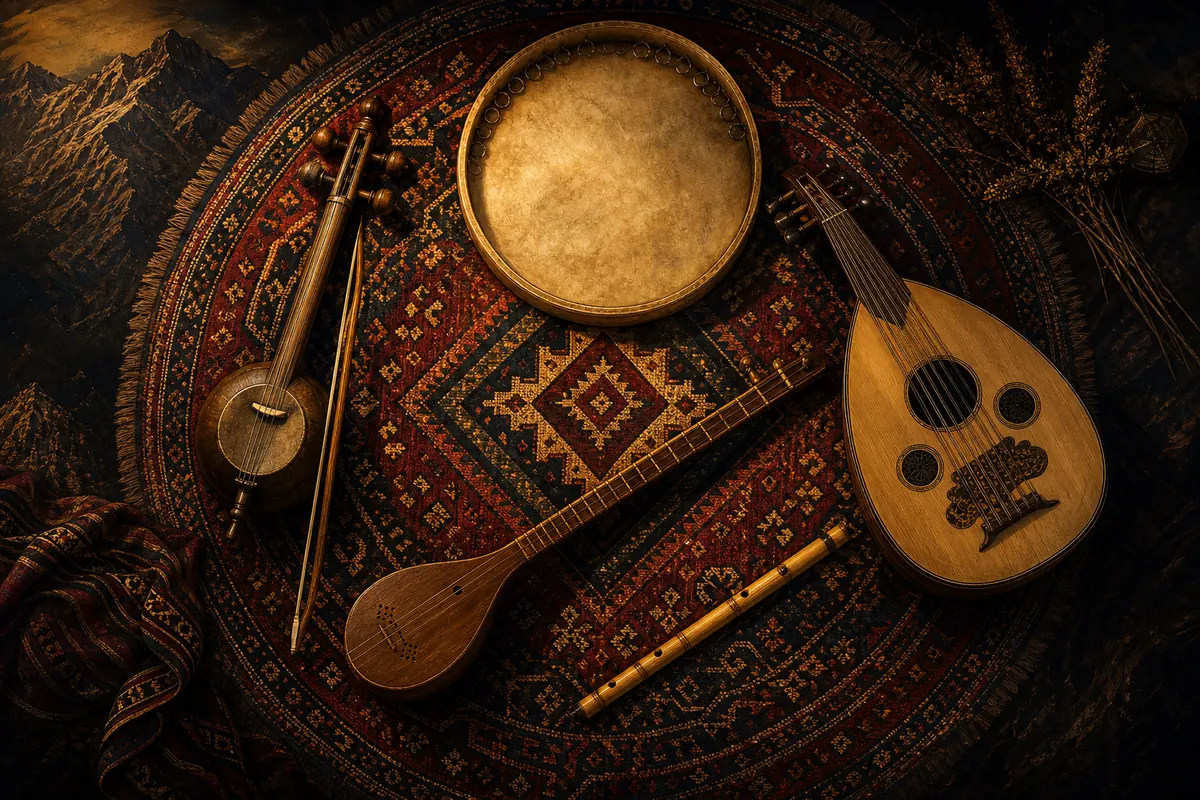
Some songs are bigger than themselves. They become memory devices — small audio capsules of a culture, a region, a generation. These ten Kurdish folk songs are the ones that nearly every Kurd in the…
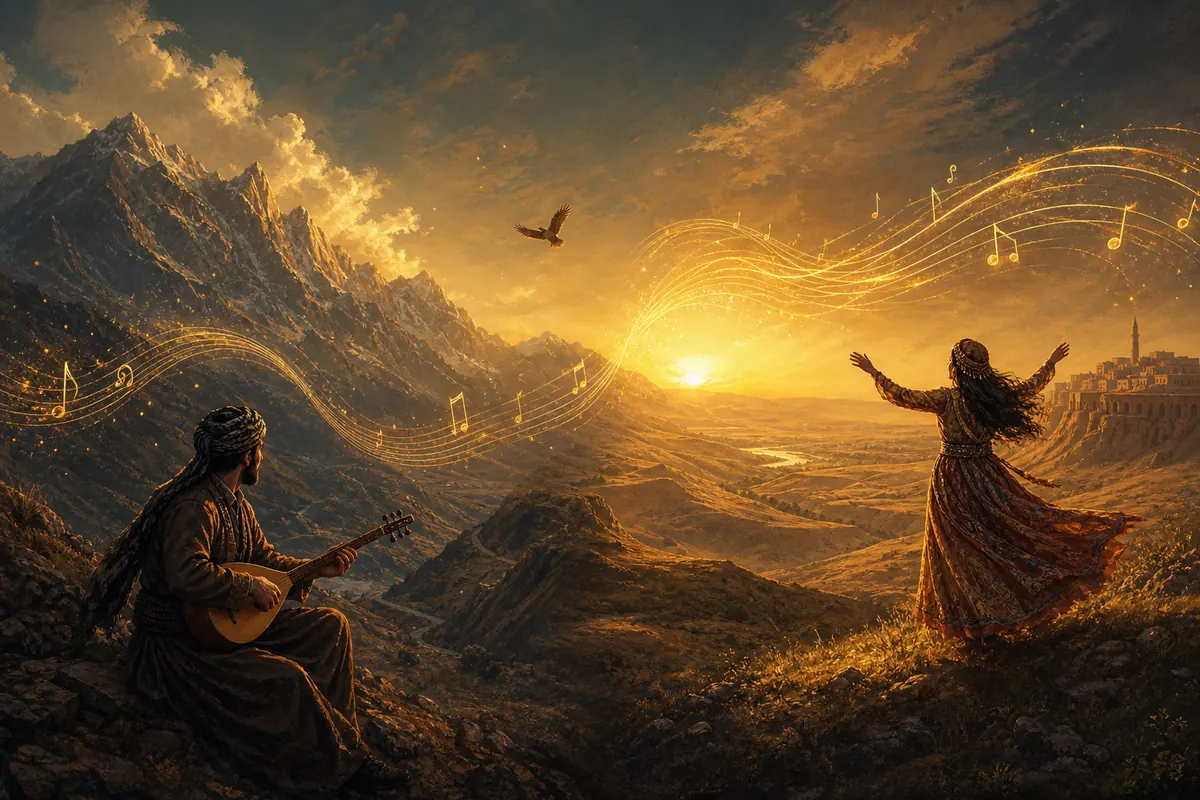
Kurdish music isn't one tradition — it's two great rivers that share a source. The Sorani (Central Kurdish) tradition flows through Iraqi Kurdistan and parts of Iran. The Kurmanji (Northern Kurdish)…
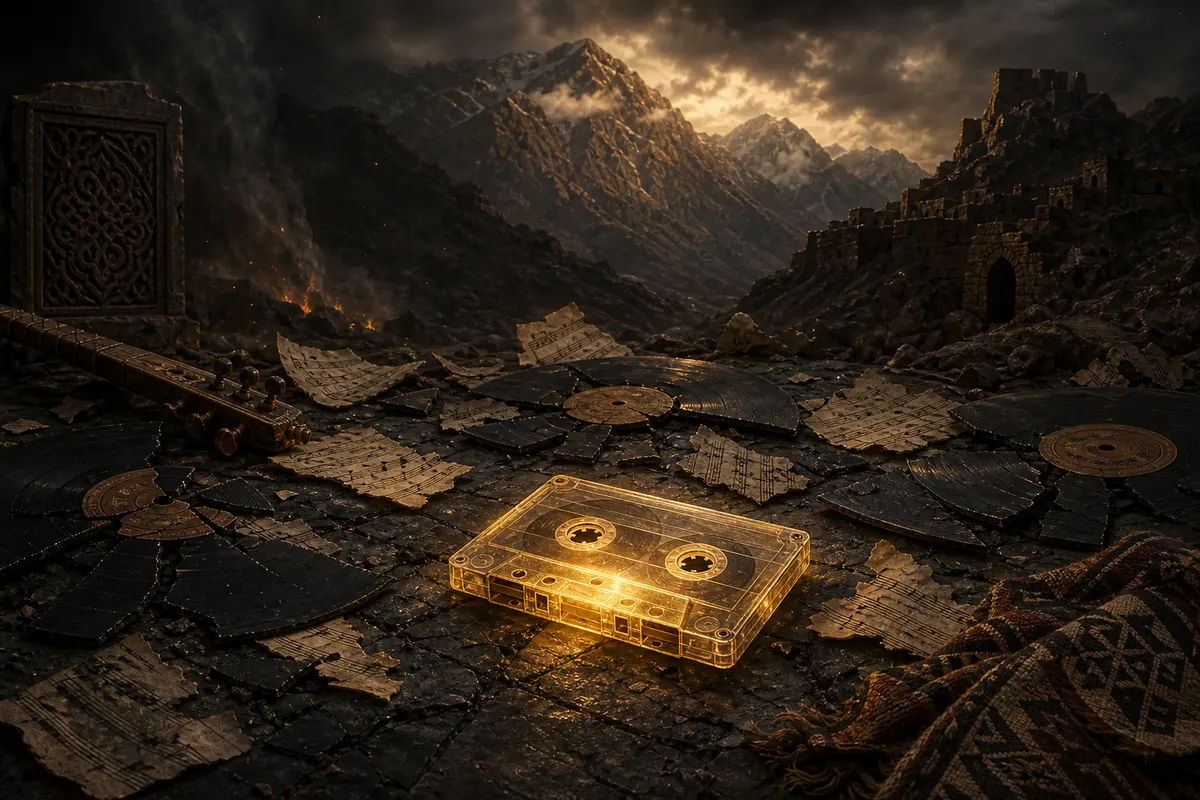
For most of the 20th century, performing in the Kurdish language could end your career — and in some places, your life. The story of Kurdish music since 1920 is the story of a tradition that survived…
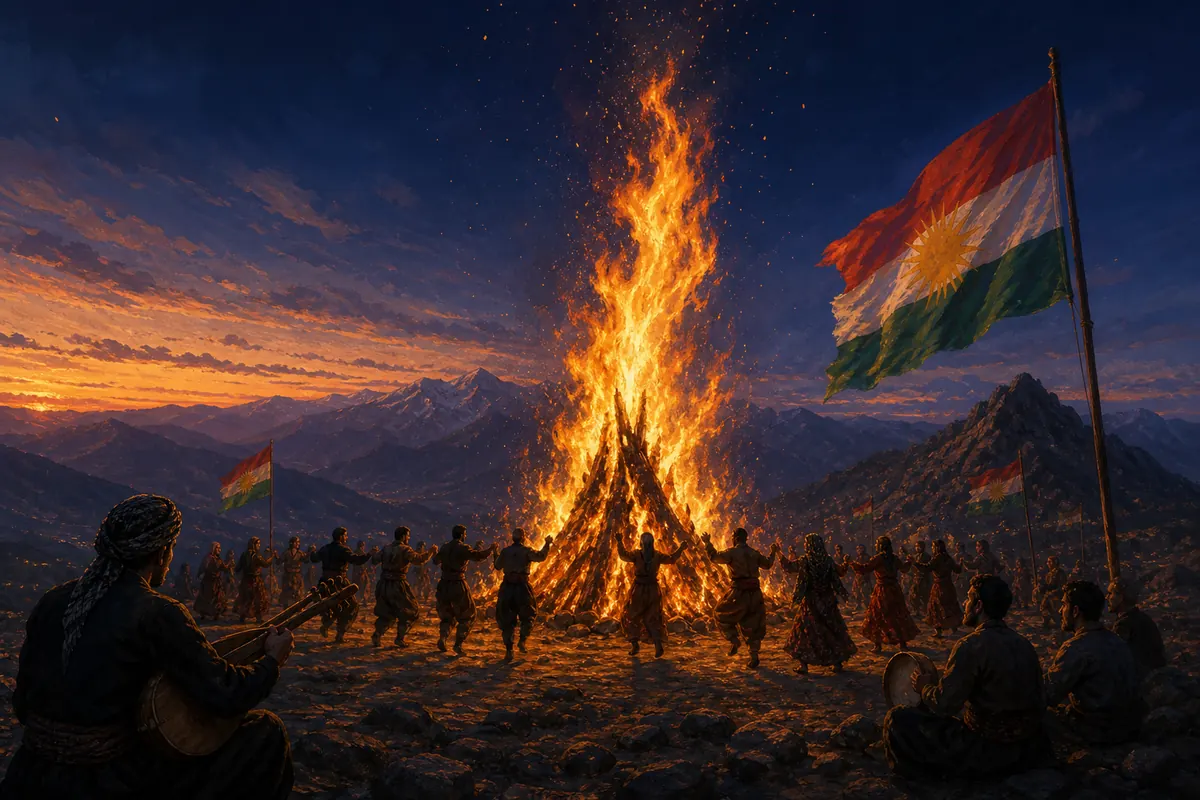
Every March 21, Kurdistan turns into something else. Bonfires burn on every hill. Children jump over flames. Govend lines stretch across town squares. Drums play until 3am.
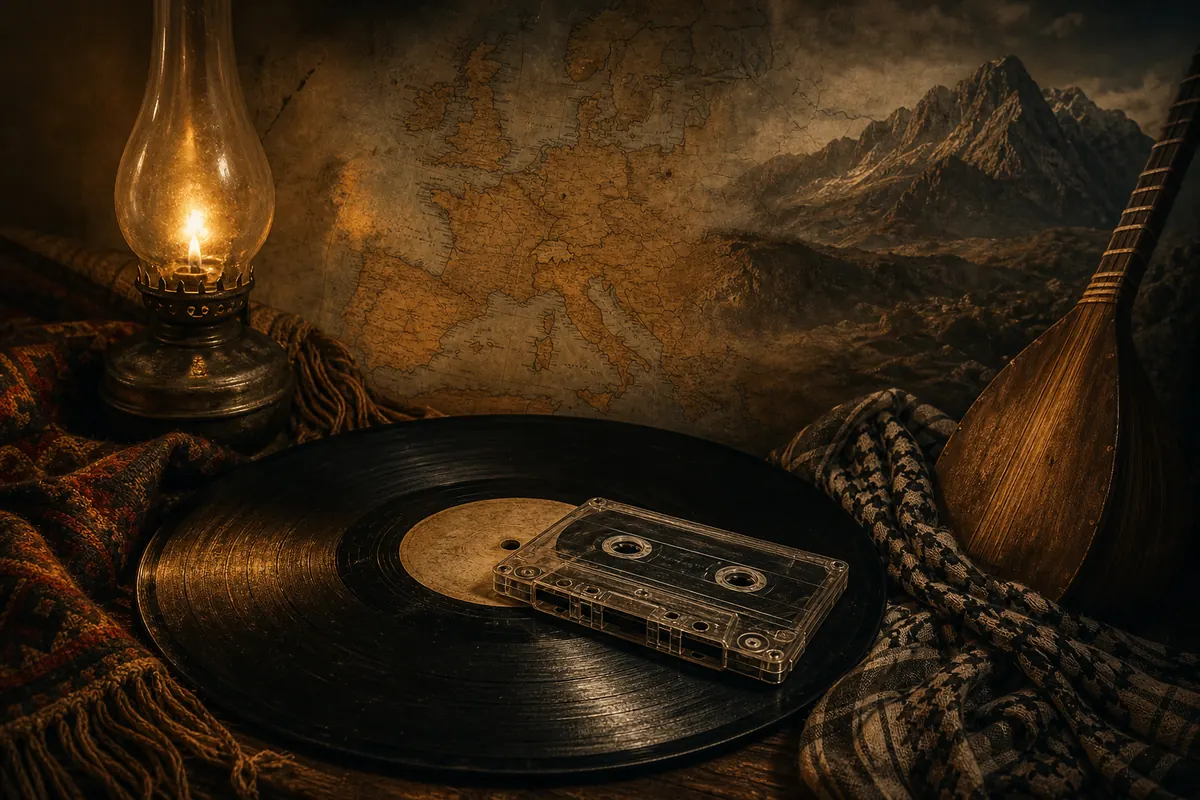
For most of the 20th century, the most important Kurdish music wasn't being made in Kurdistan. It was being made in apartments in Stockholm, in studios in Berlin, in Sufi-influenced concerts in…
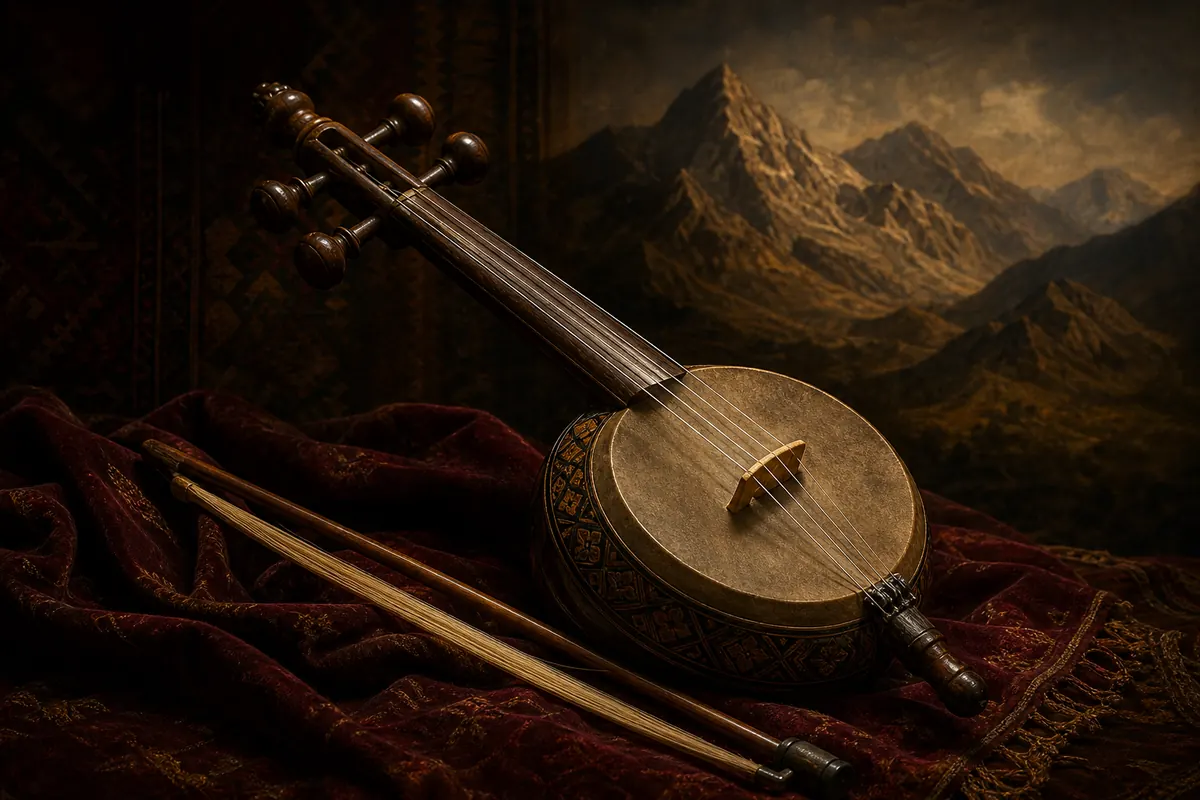
If Kurdish music has a single instrument that captures its emotional range — the loneliness of mountain nights, the swell of a love song, the cry of a lament — it's the kamancheh.
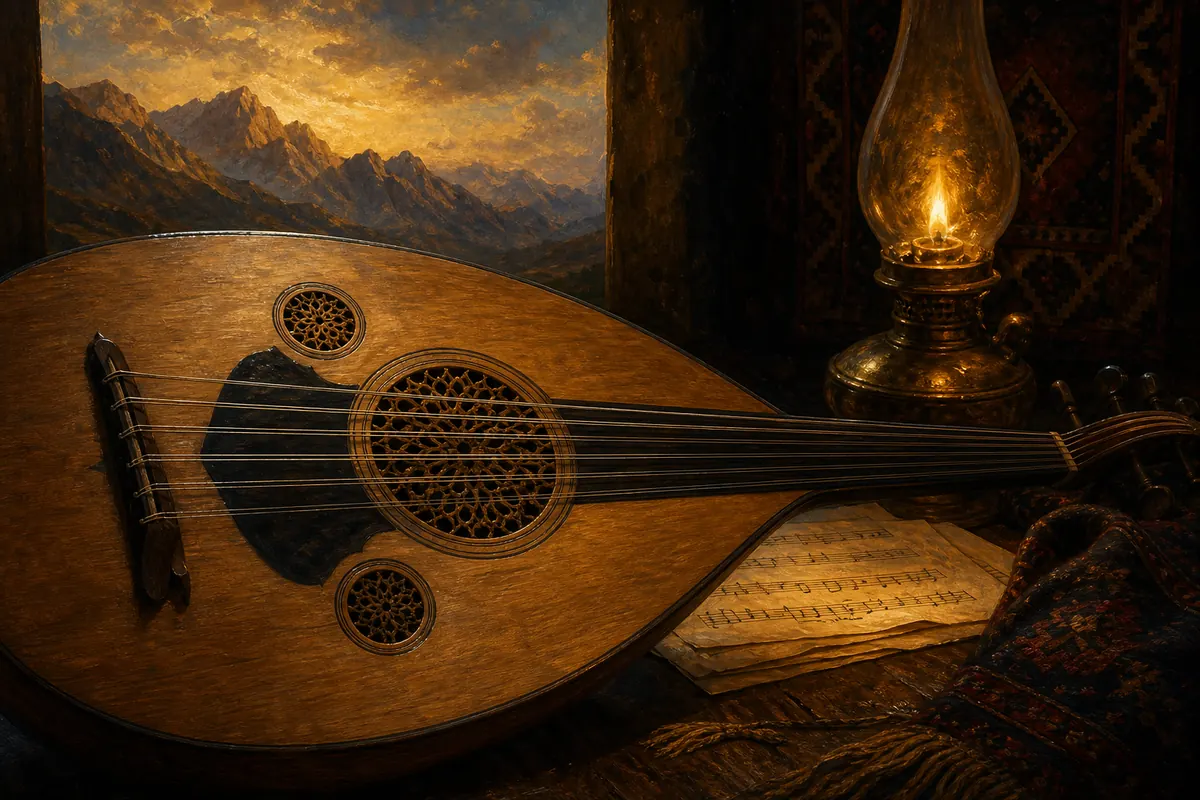
If the kamancheh is the voice of Kurdish music, the oud is its harmonic foundation. An 11-string fretless lute, played with a flexible plectrum, with a deep resonant body that anchors any ensemble it…
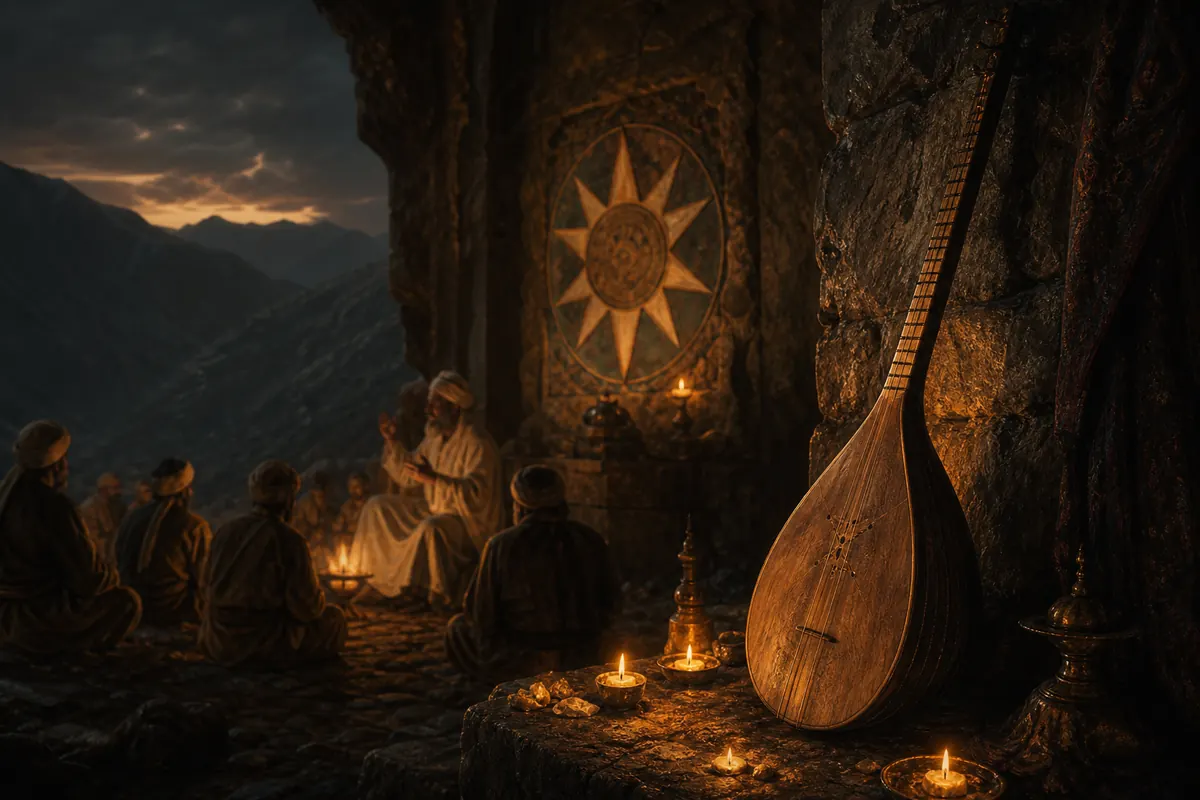
Most Kurdish instruments are musical objects. The tanbur is also a religious one.
In the 1970s and 80s, Kurdish music became inseparable from Kurdish politics. Songs that were folk lullabies in 1960 became coded political statements by 1980. Songs that were straightforward…