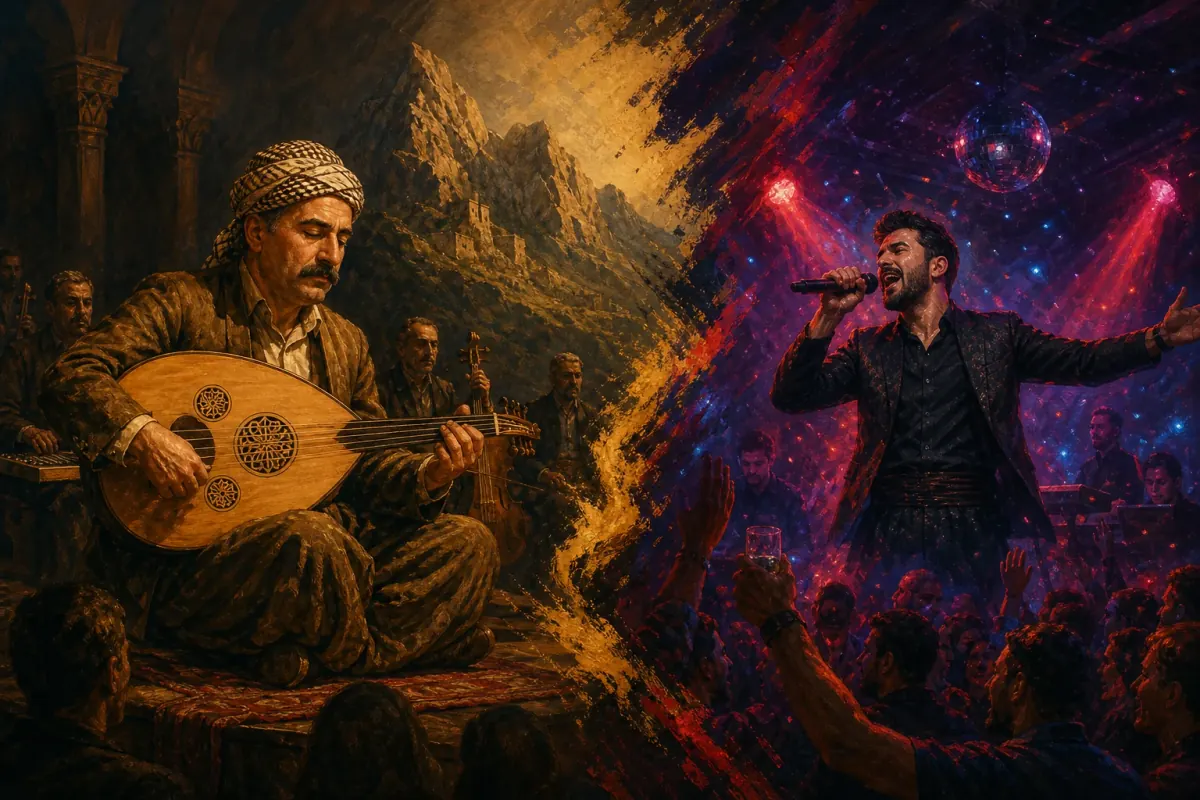
Artist or Performer? (Hunermend or Hunerbend)
When the word "artist" comes up in the field of music and song, we immediately picture someone holding a musical instrument or a microphone. In one sense this holds true, because in the end art and…
Articles, music analysis, history of Kurdish songs, and learning guides from KurdNote.
RSS
When the word "artist" comes up in the field of music and song, we immediately picture someone holding a musical instrument or a microphone. In one sense this holds true, because in the end art and…
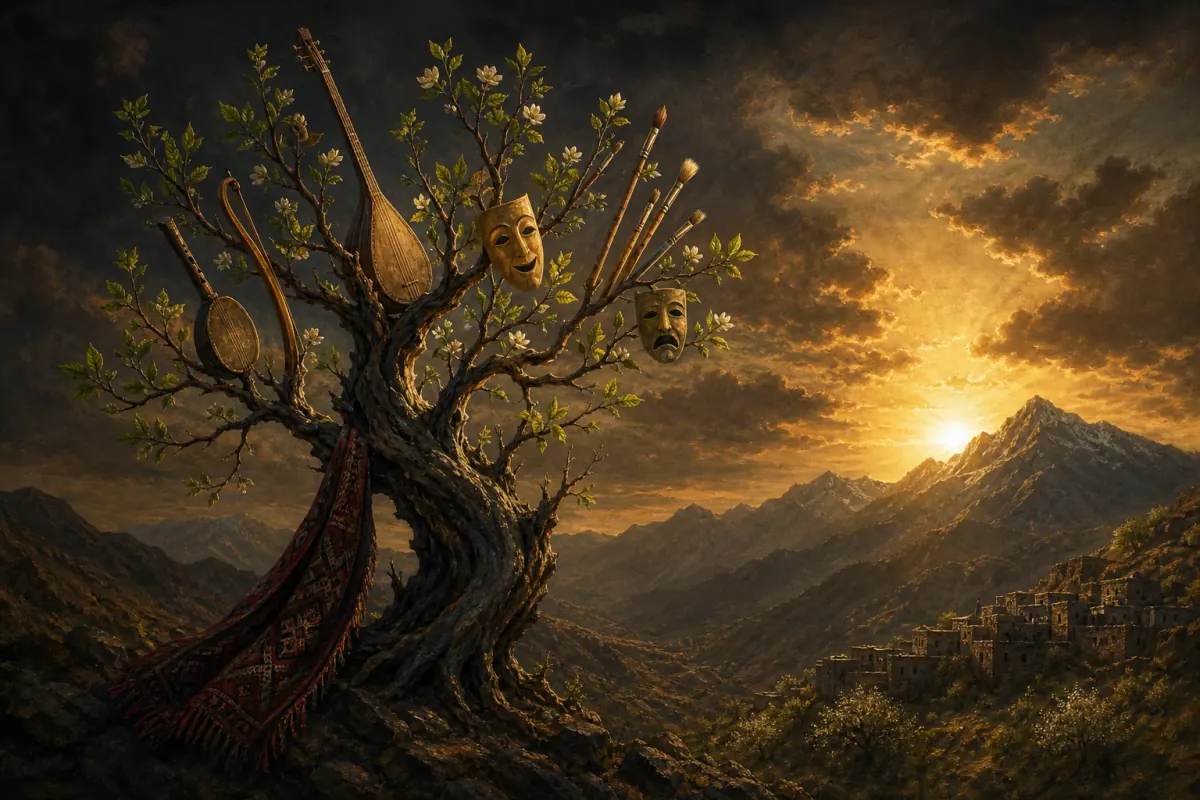
Art is an important component of cultural identity and social development, and it has always been a clear and great mirror of society. While it reflects the culture, history and identity of peoples…
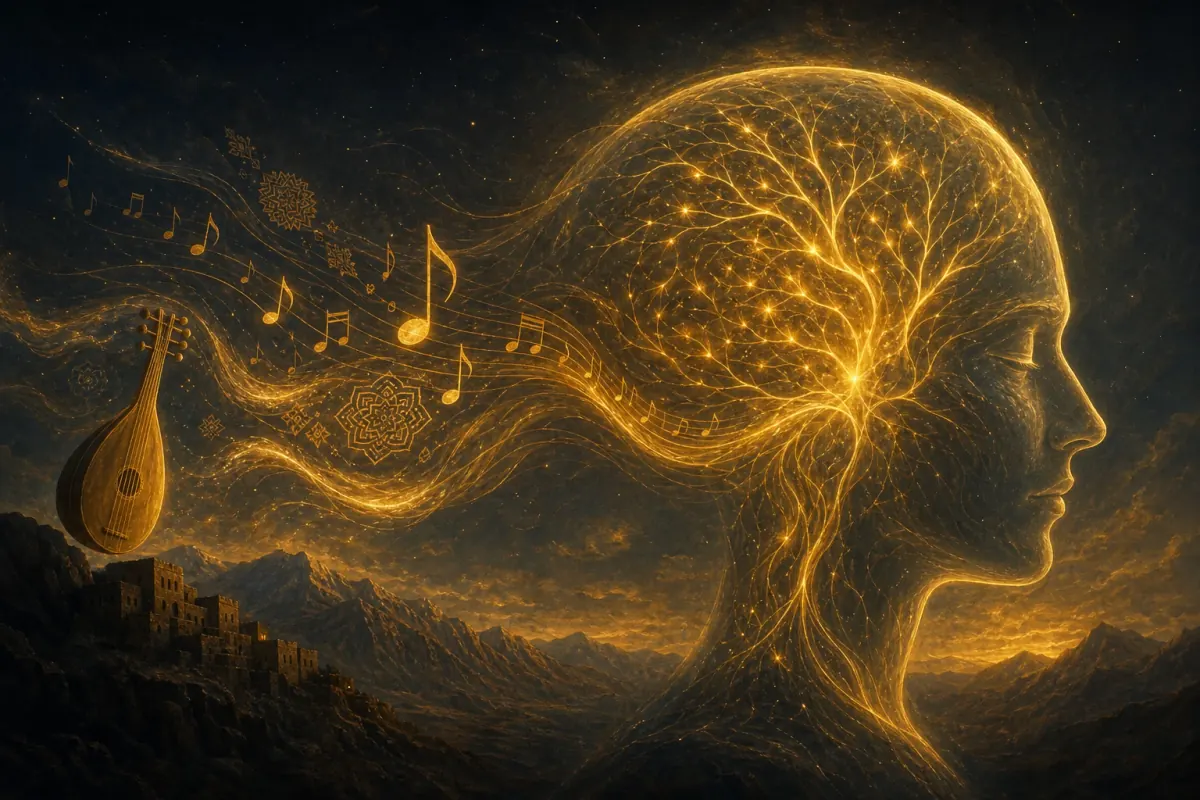
Music is a universal language that everyone can understand and enjoy, and throughout history it has been an inseparable part of human culture. Its ability to stir our emotions and influence our…
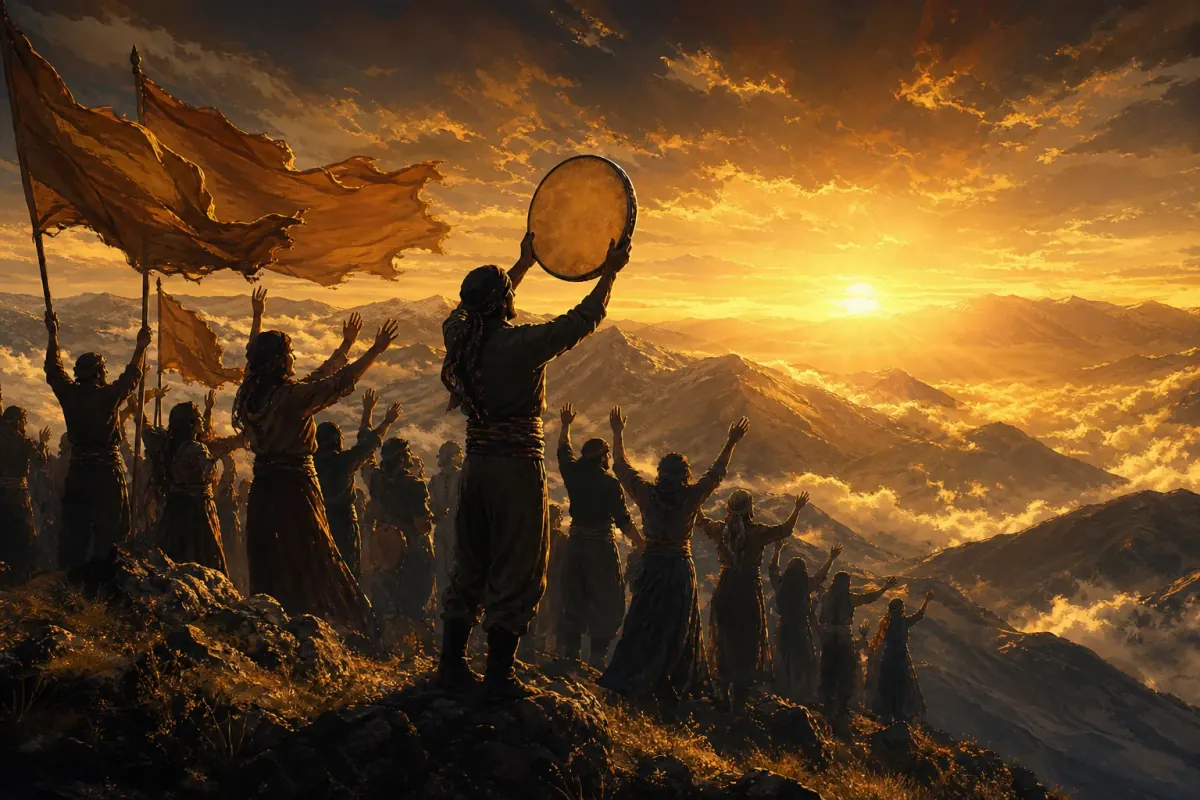
In national struggles, the role of music has been as important as the revolutionary movements themselves, and throughout history music has been a powerful force in shaping and expanding those…
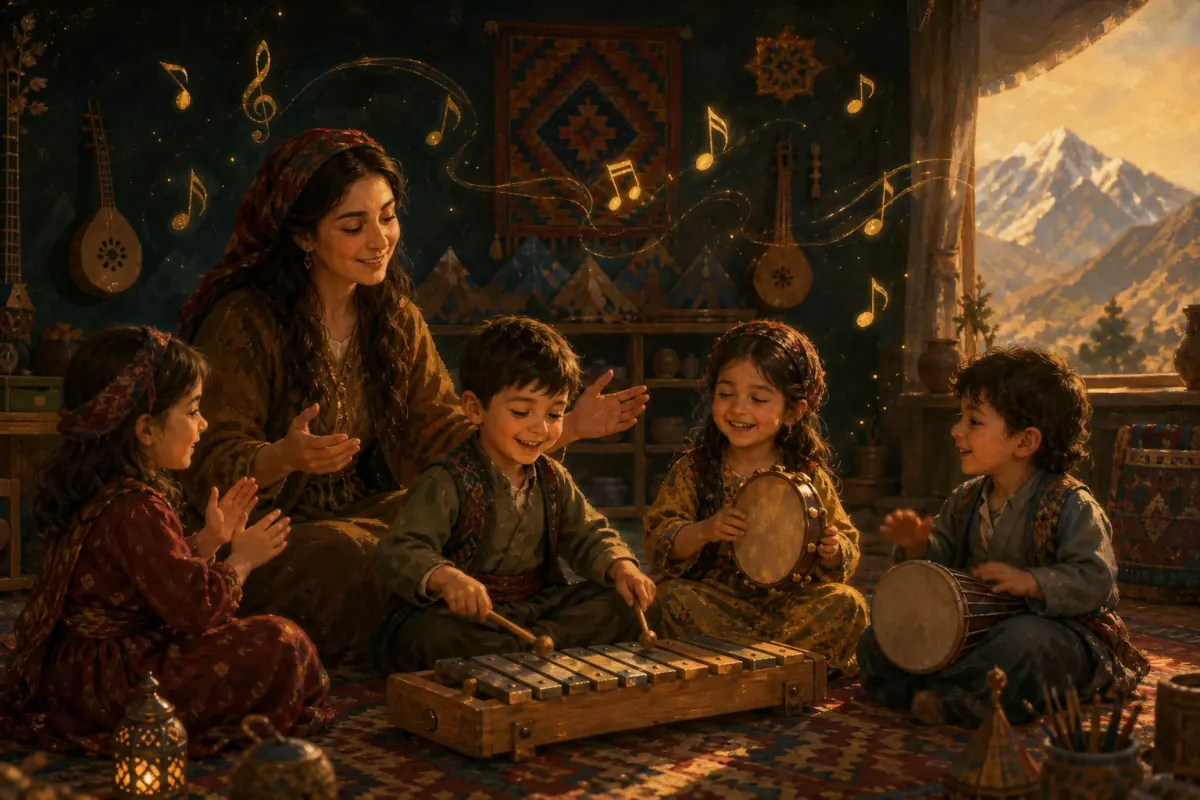
Through music, a kindergarten can create an environment that motivates children to learn, nurtures their thinking, and instills in them a love of music and of learning. Although the use of music in…
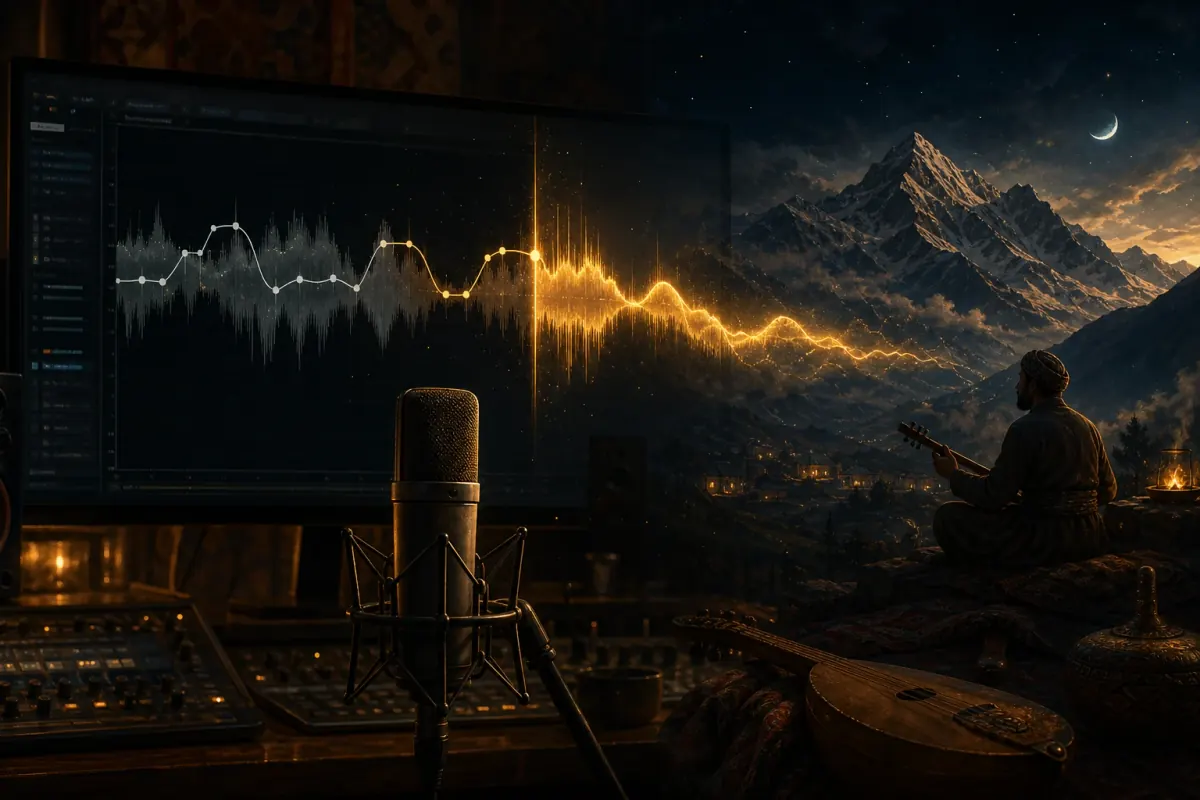
Technology entered every sphere of human life very quickly. In many ways it was beneficial, speeding up the movements of daily life. Its continued advance has left no field in which it does not take…
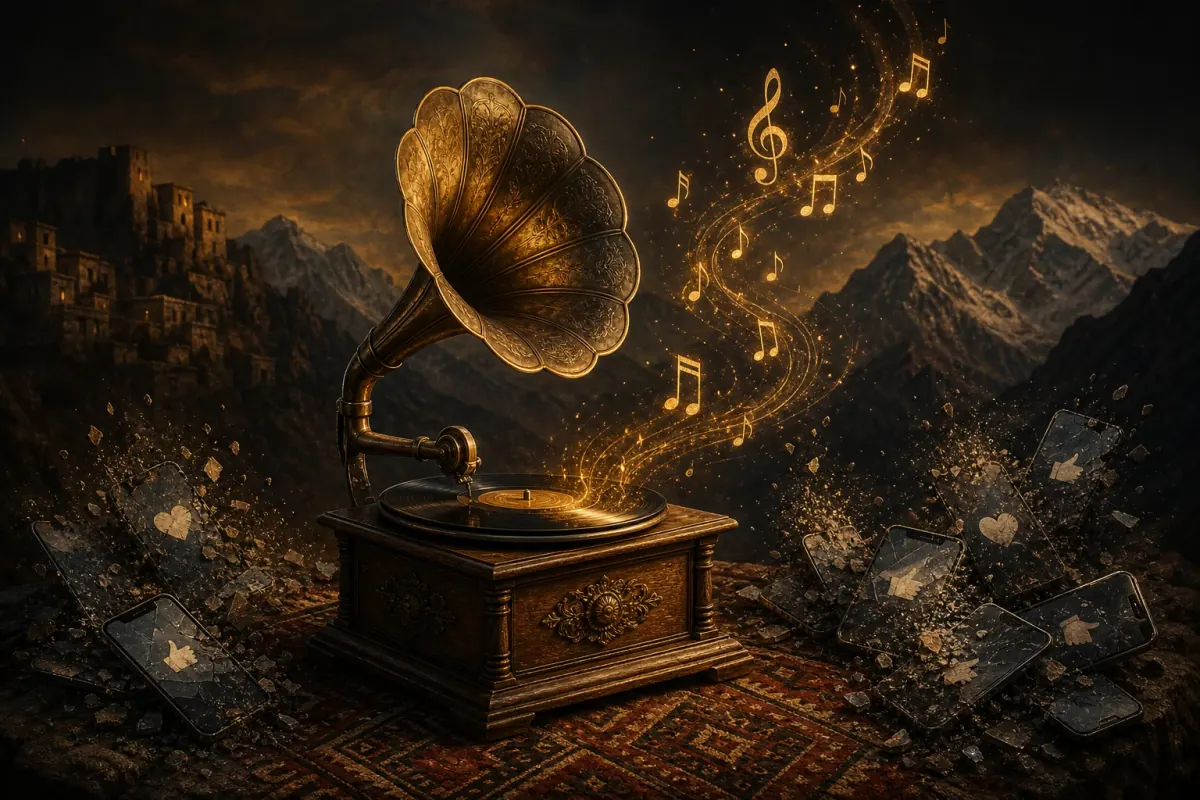
In an era when life has taken on such a fast rhythm that we sometimes forget what we did the day before, the phenomenon of becoming a singer grows day by day — to the point where nearly every…
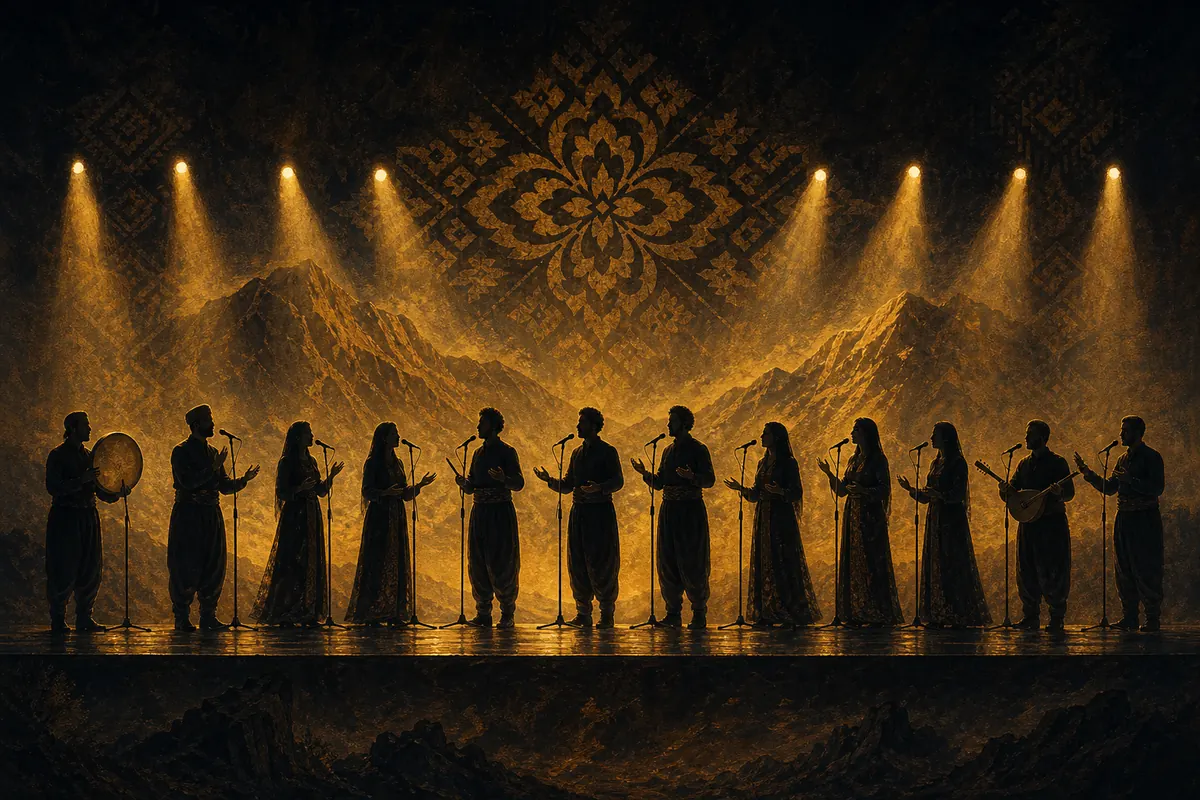
If Kurdish music has survived 100 years of borders, exile, and outright bans, it's because of the singers. Twelve voices in particular shaped what we know today as the Kurdish musical canon …
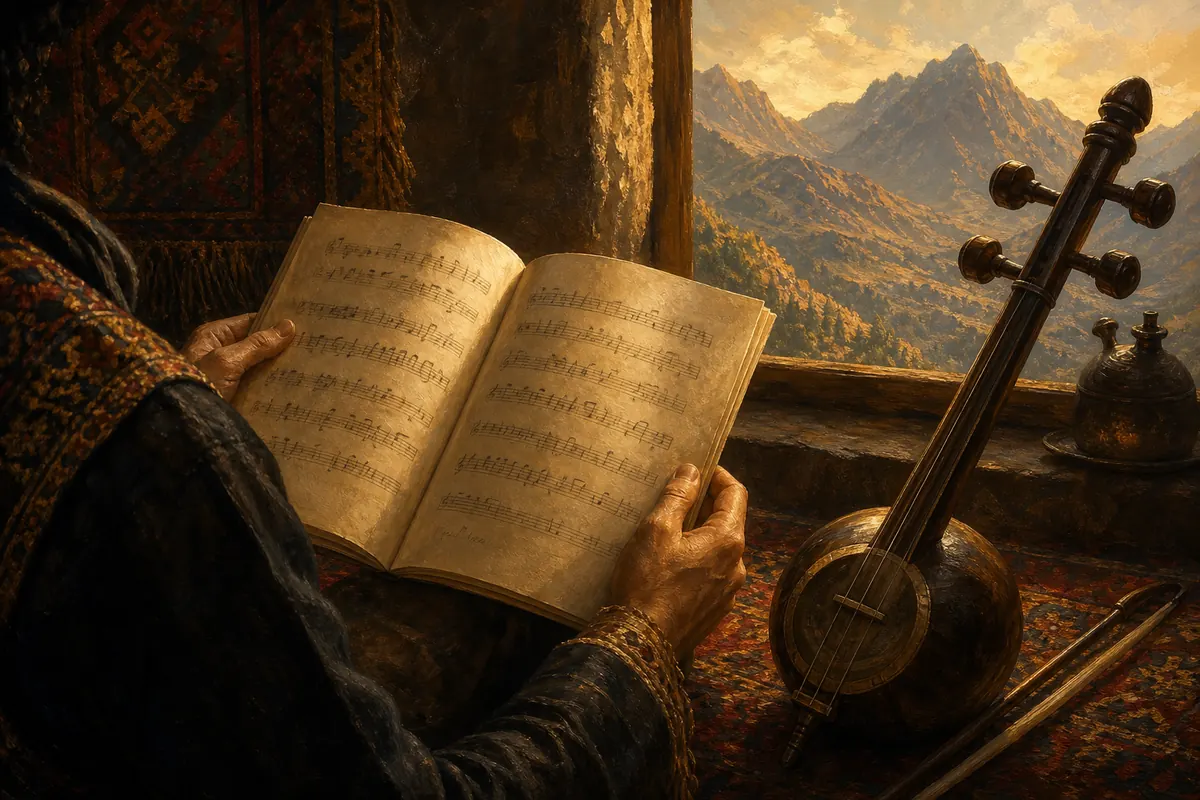
Kurdish music has been passed down orally for centuries — from the dengbêj (storyteller-singers) of Northern Kurdistan to the maqam masters of the south. Only in the last fifty years has Kurdish folk…
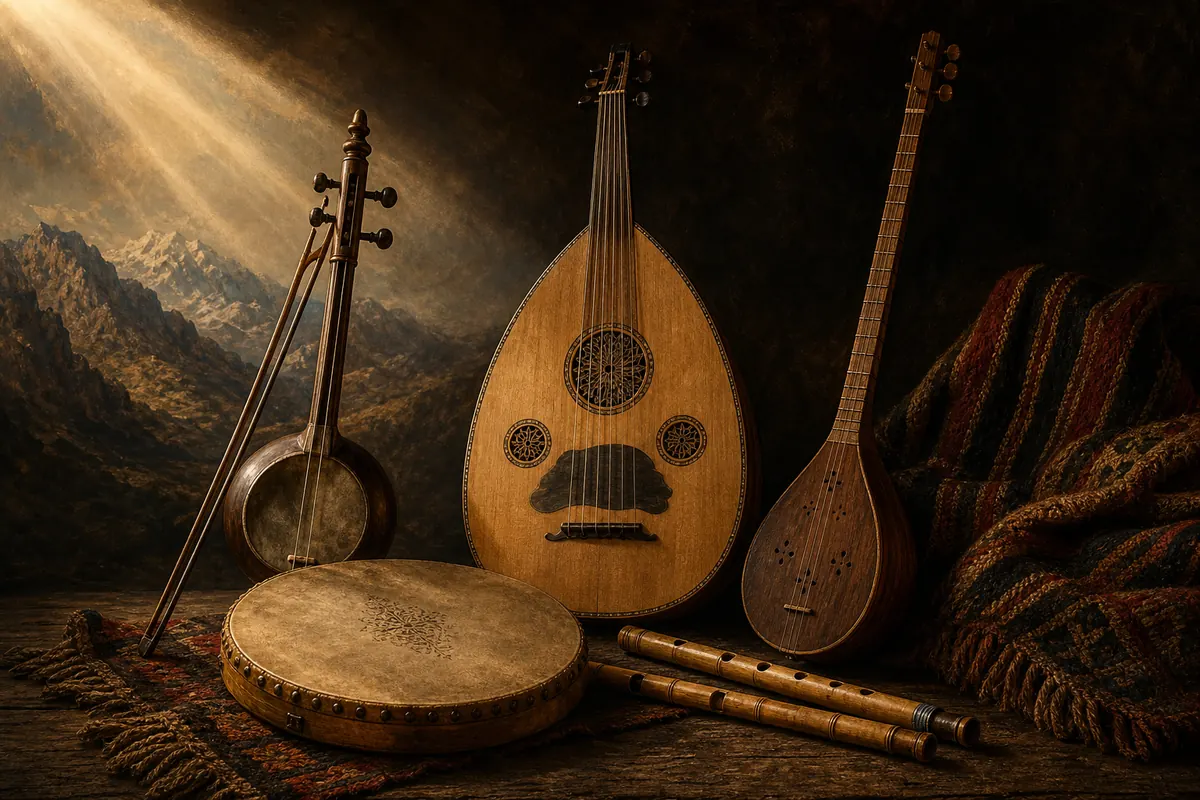
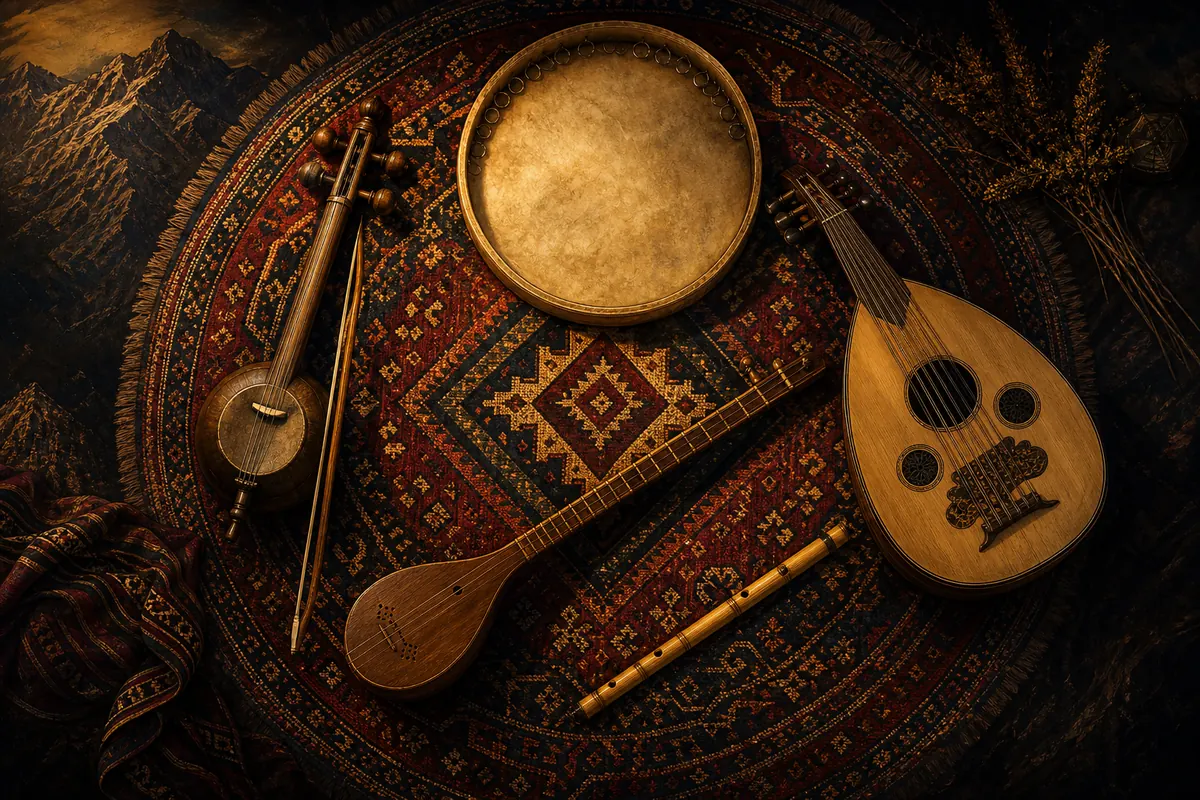
Kurdish music is unimaginable without its instruments. The kamancheh that cries in the high mountain laments. The oud that improvises through long maqam preludes. The daf whose rhythm drives every…
Some songs are bigger than themselves. They become memory devices — small audio capsules of a culture, a region, a generation. These ten Kurdish folk songs are the ones that nearly every Kurd in the…
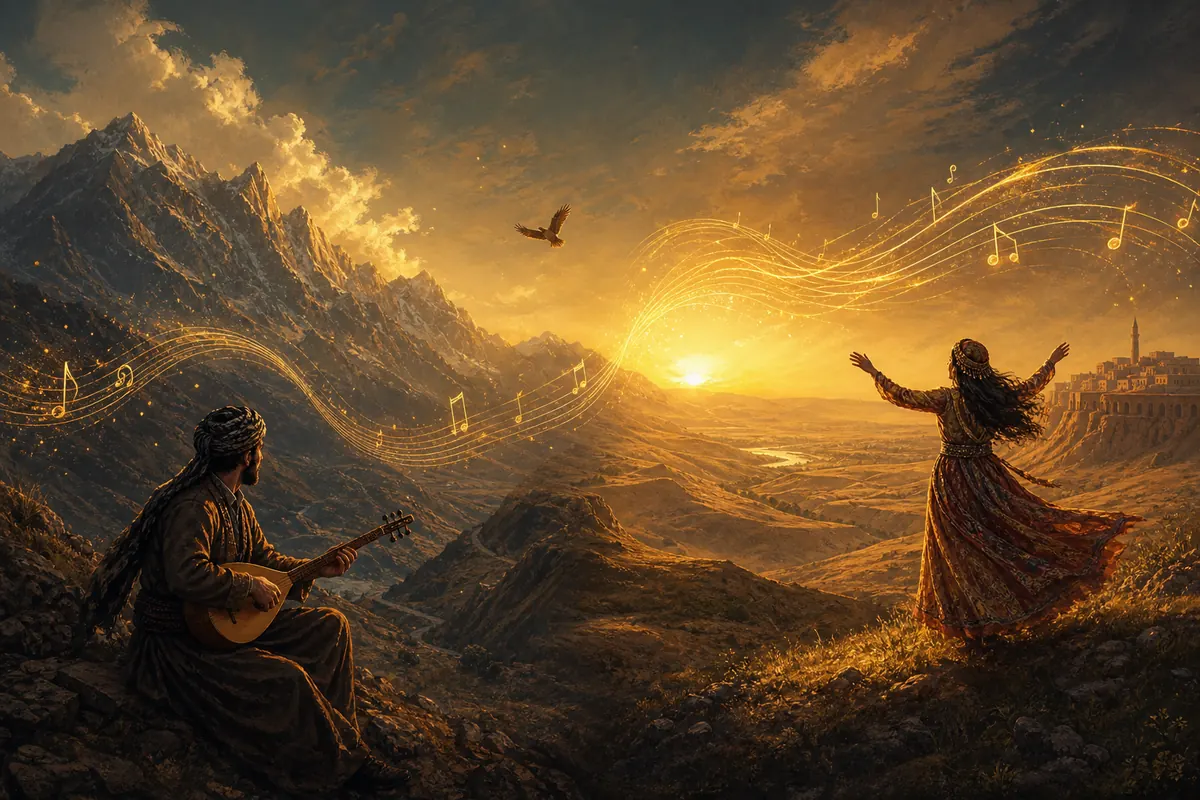
Kurdish music isn't one tradition — it's two great rivers that share a source. The Sorani (Central Kurdish) tradition flows through Iraqi Kurdistan and parts of Iran. The Kurmanji (Northern Kurdish)…
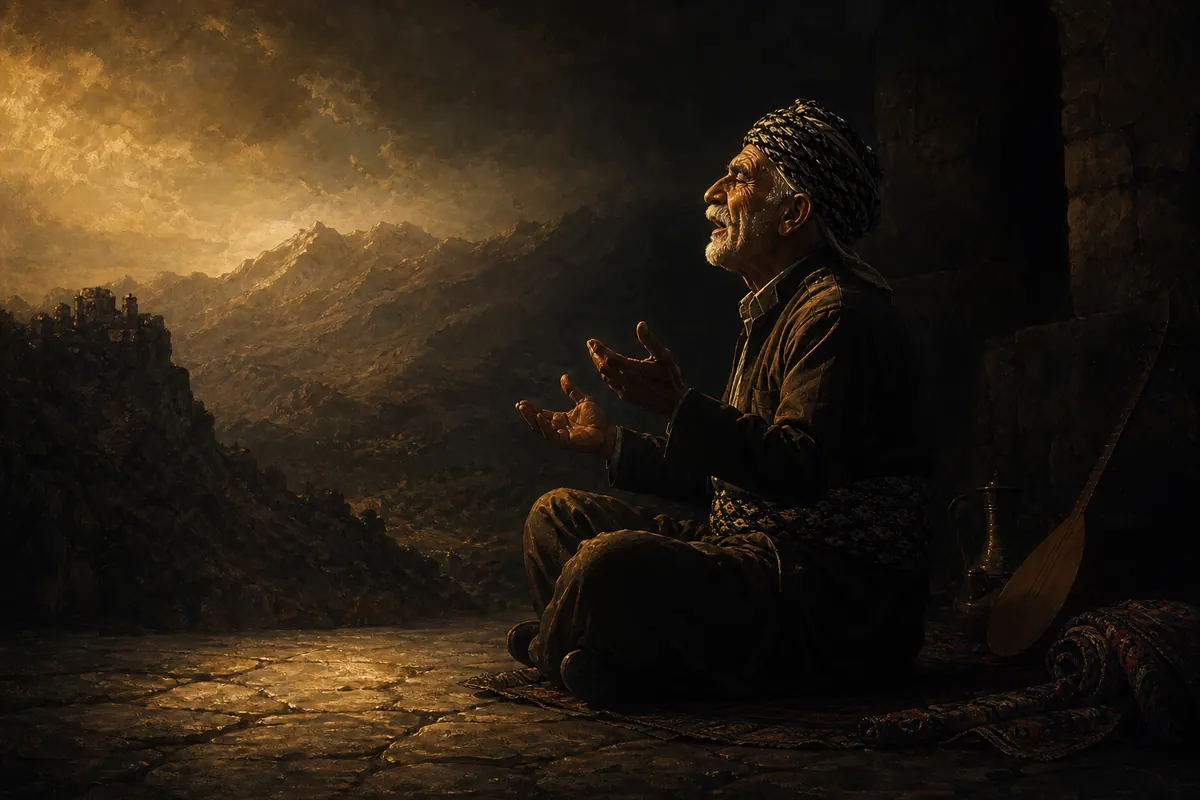
In a Kurdish village a hundred years ago, there was no internet, no books for most people, no recorded music. But there was the dengbêj.
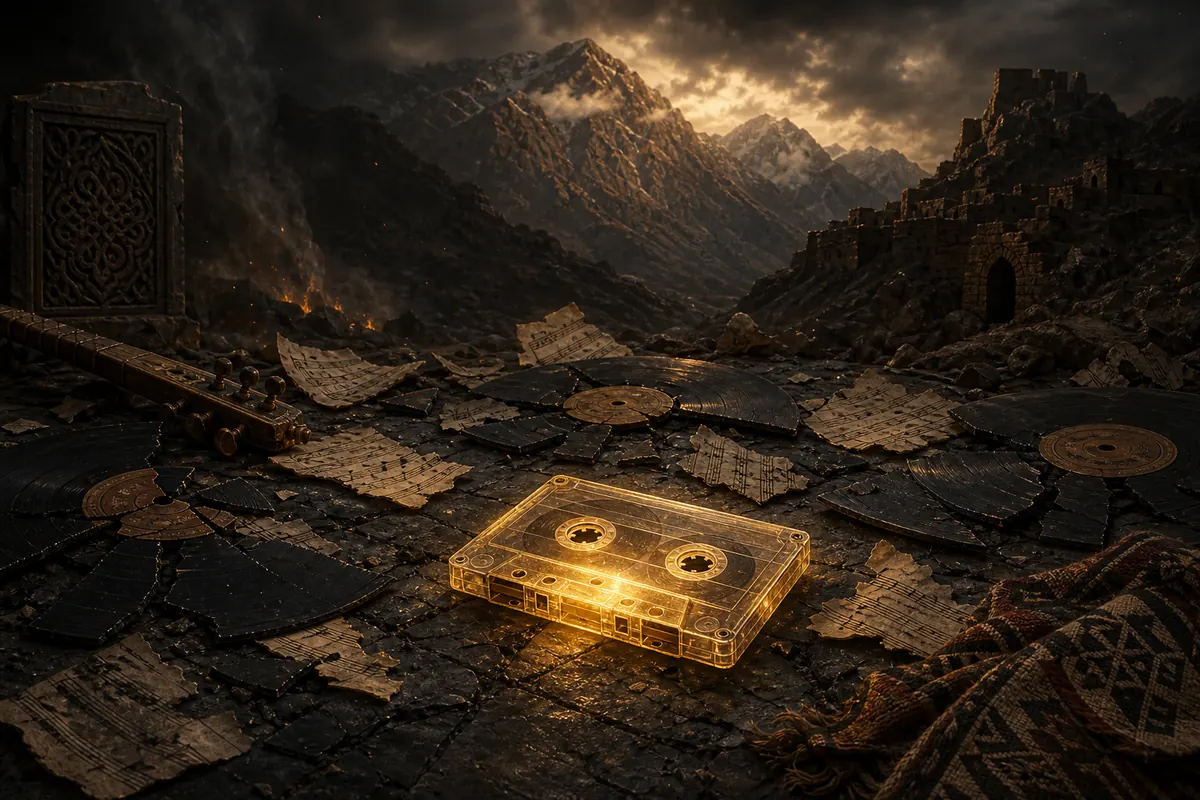
For most of the 20th century, performing in the Kurdish language could end your career — and in some places, your life. The story of Kurdish music since 1920 is the story of a tradition that survived…
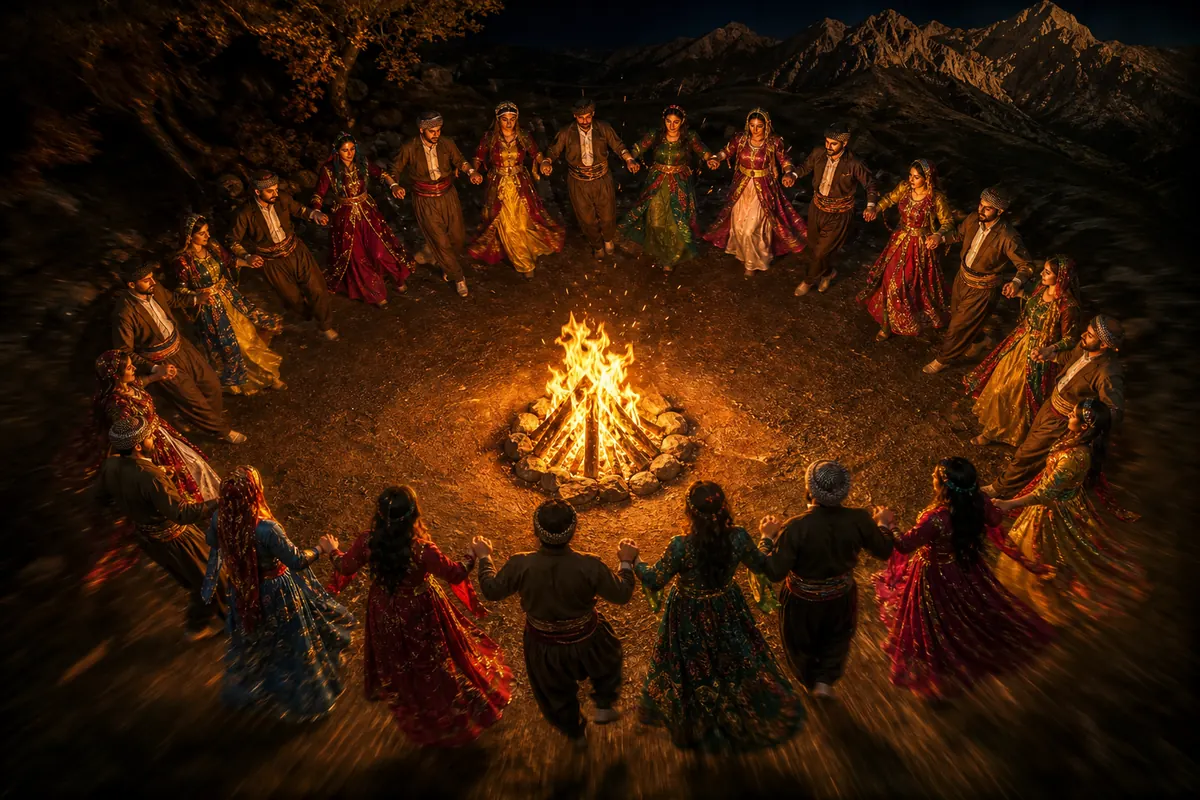
If you've never been to a Kurdish wedding, prepare yourself. There's a moment, often somewhere in the second hour, when the zurna player hits a particular phrase, the davul drummer answers, and a…
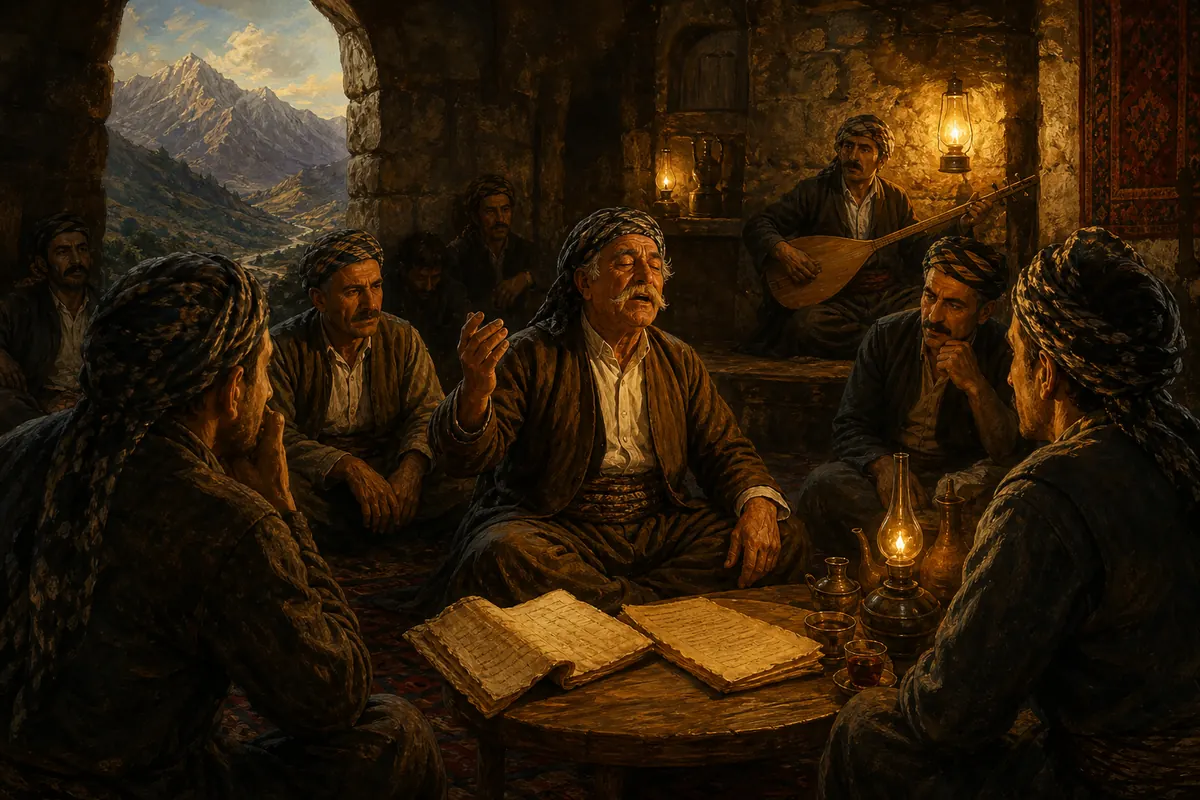
For most of Kurdish history, music wasn't written down — it was remembered. A dengbêj could recite a thousand-line epic from memory; a wedding singer could perform fifty songs without ever seeing a…
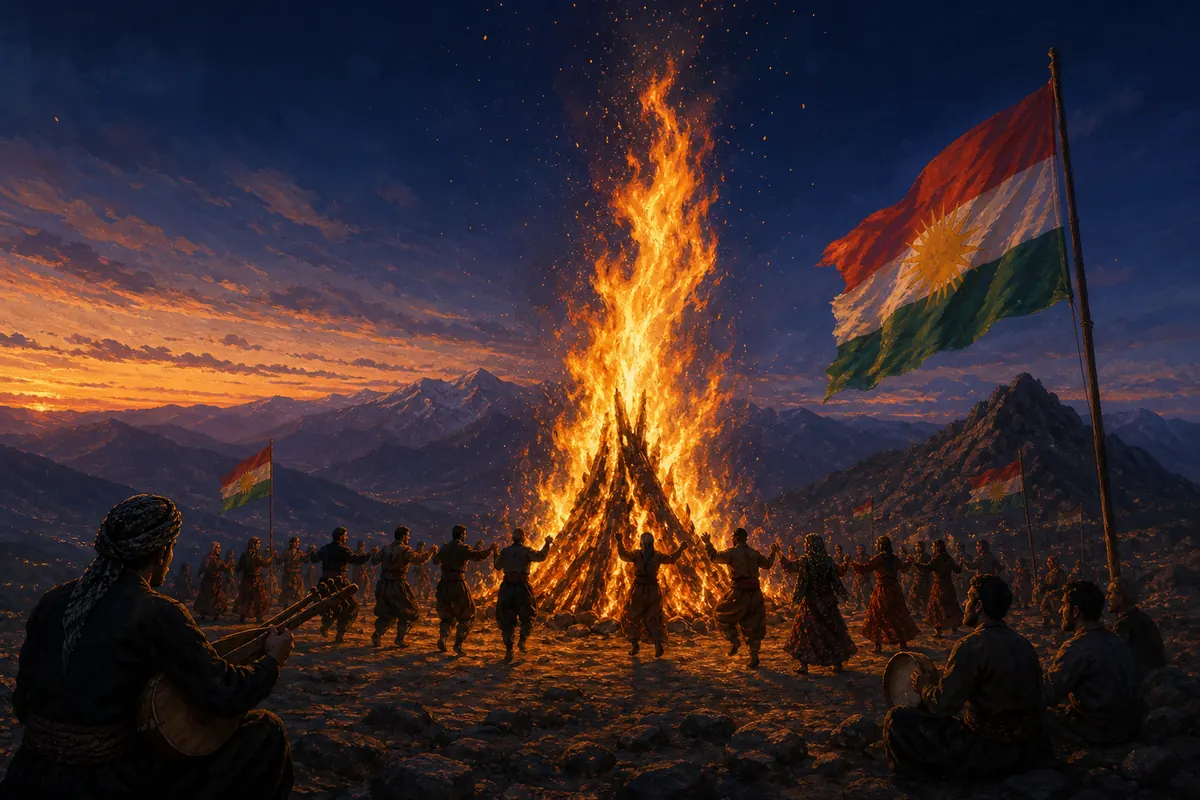
Every March 21, Kurdistan turns into something else. Bonfires burn on every hill. Children jump over flames. Govend lines stretch across town squares. Drums play until 3am.
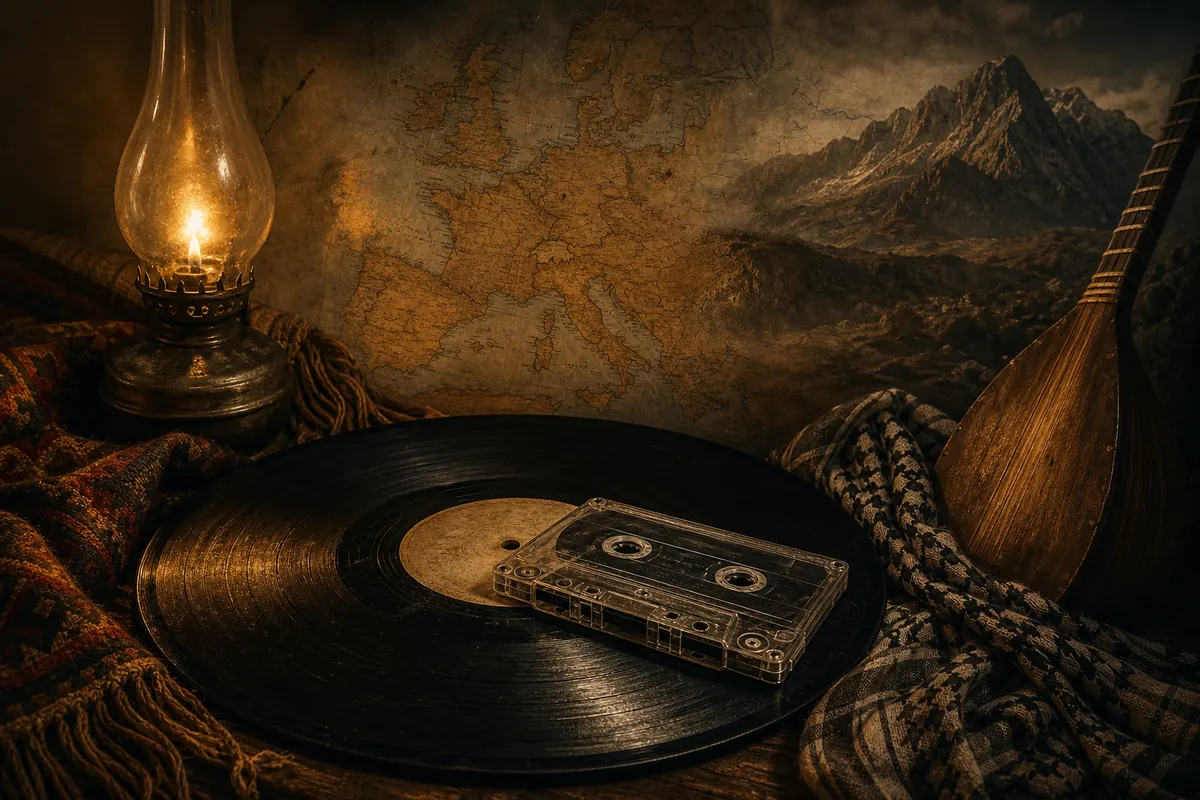
For most of the 20th century, the most important Kurdish music wasn't being made in Kurdistan. It was being made in apartments in Stockholm, in studios in Berlin, in Sufi-influenced concerts in…
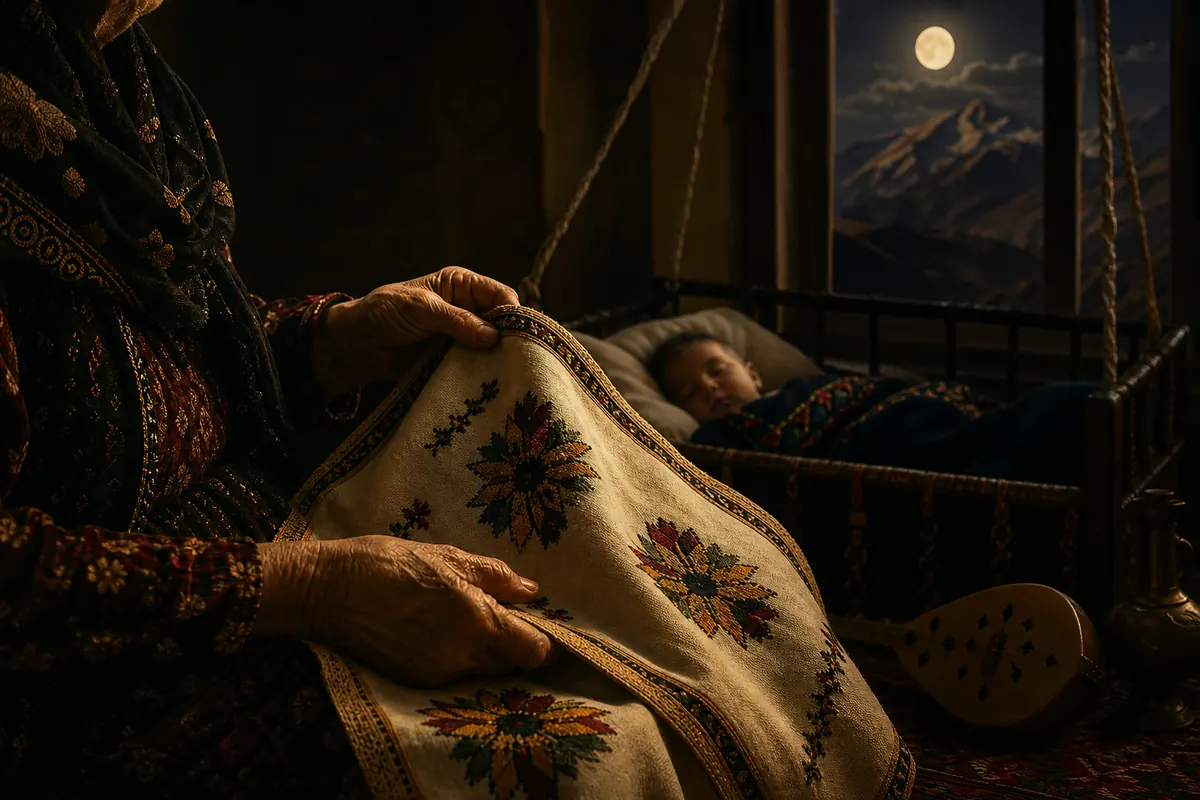
There's a category of Kurdish music almost no one writes about: the songs Kurdish mothers and grandmothers have sung to babies for centuries. They don't have famous performers, weren't recorded for…
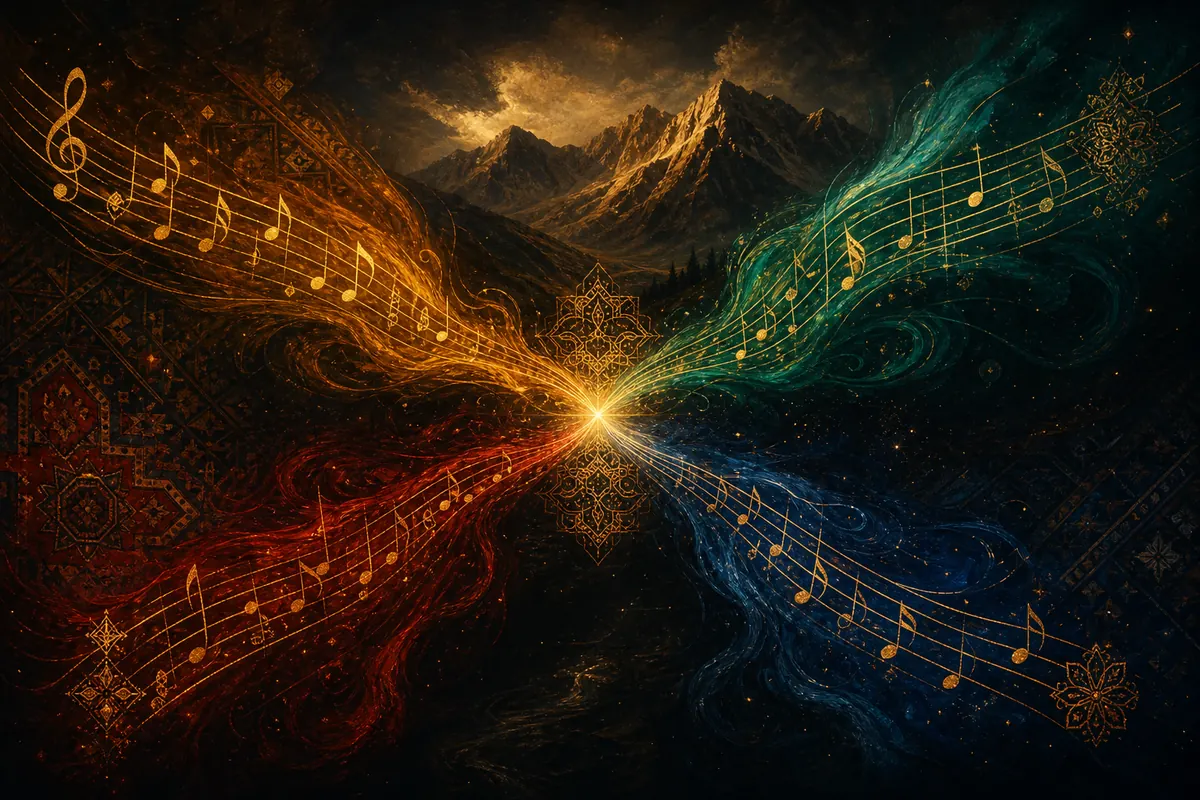
If you've spent time listening to Middle Eastern music, you've probably noticed that Kurdish, Persian, Arabic, and Turkish music all sound related — but distinctly different. They share modal scales…
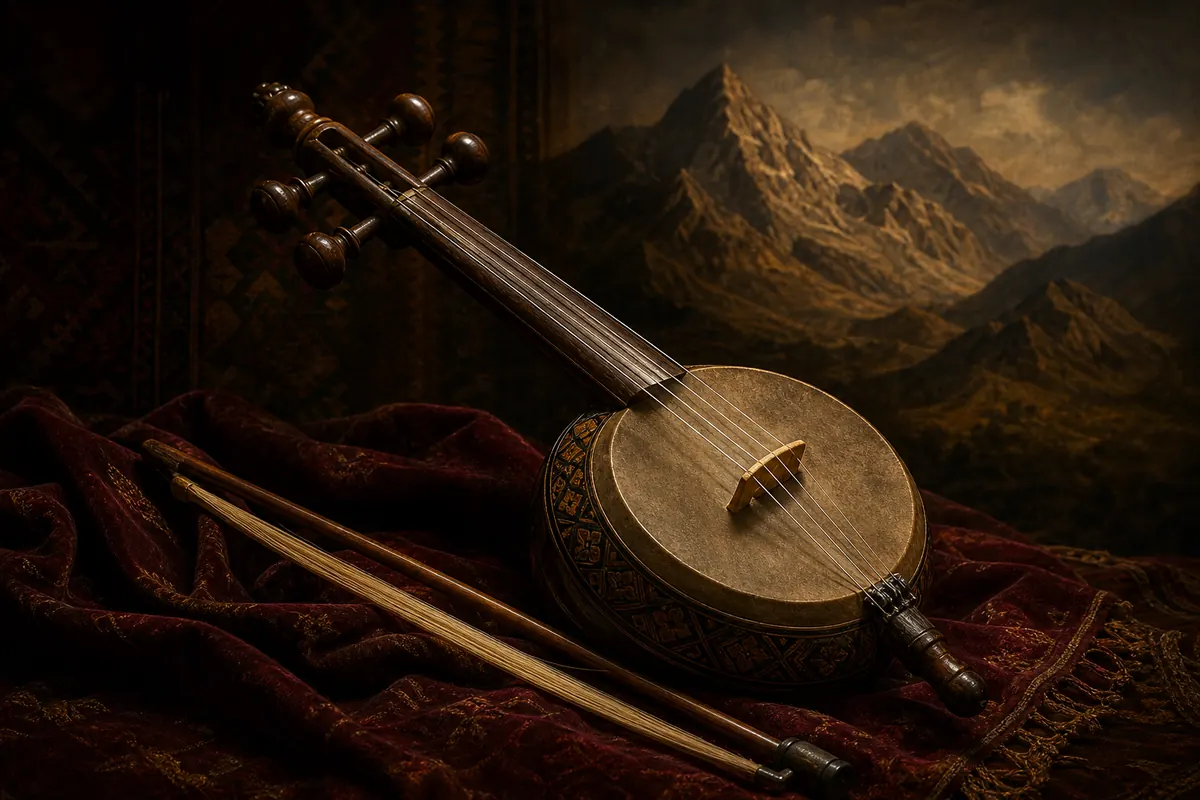
If Kurdish music has a single instrument that captures its emotional range — the loneliness of mountain nights, the swell of a love song, the cry of a lament — it's the kamancheh.
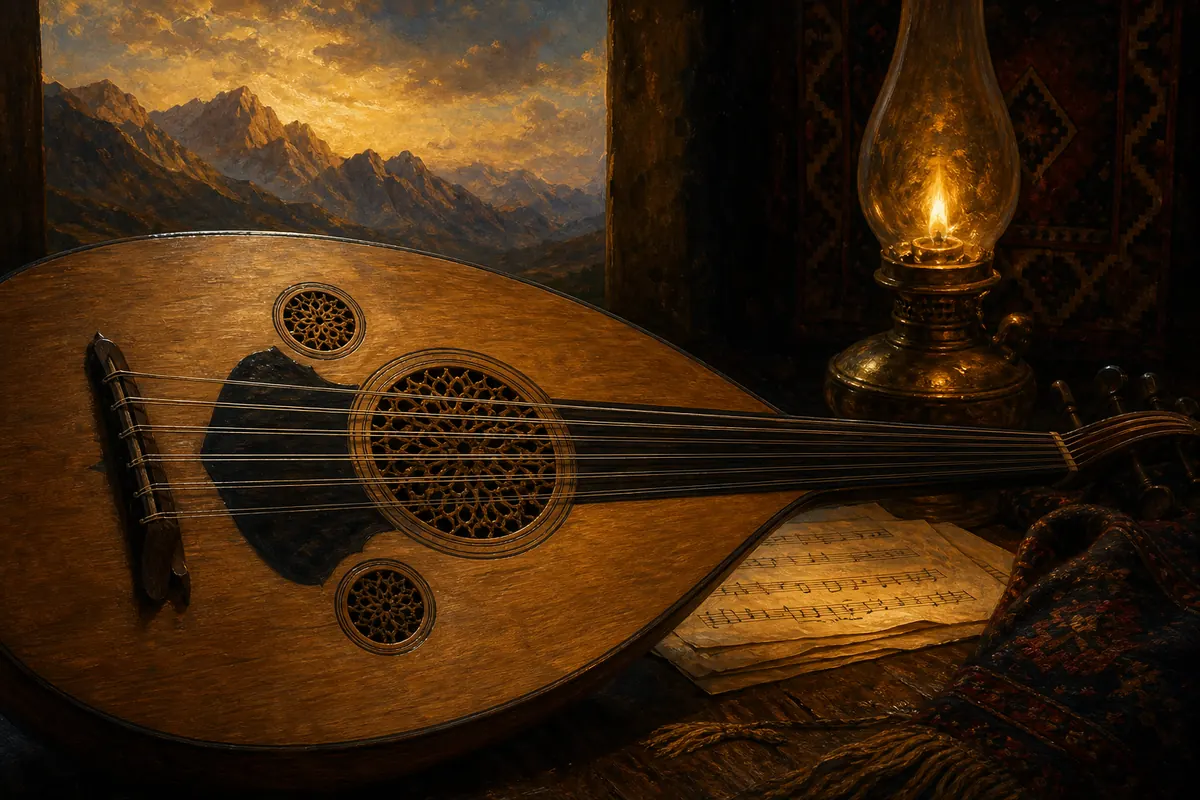
If the kamancheh is the voice of Kurdish music, the oud is its harmonic foundation. An 11-string fretless lute, played with a flexible plectrum, with a deep resonant body that anchors any ensemble it…
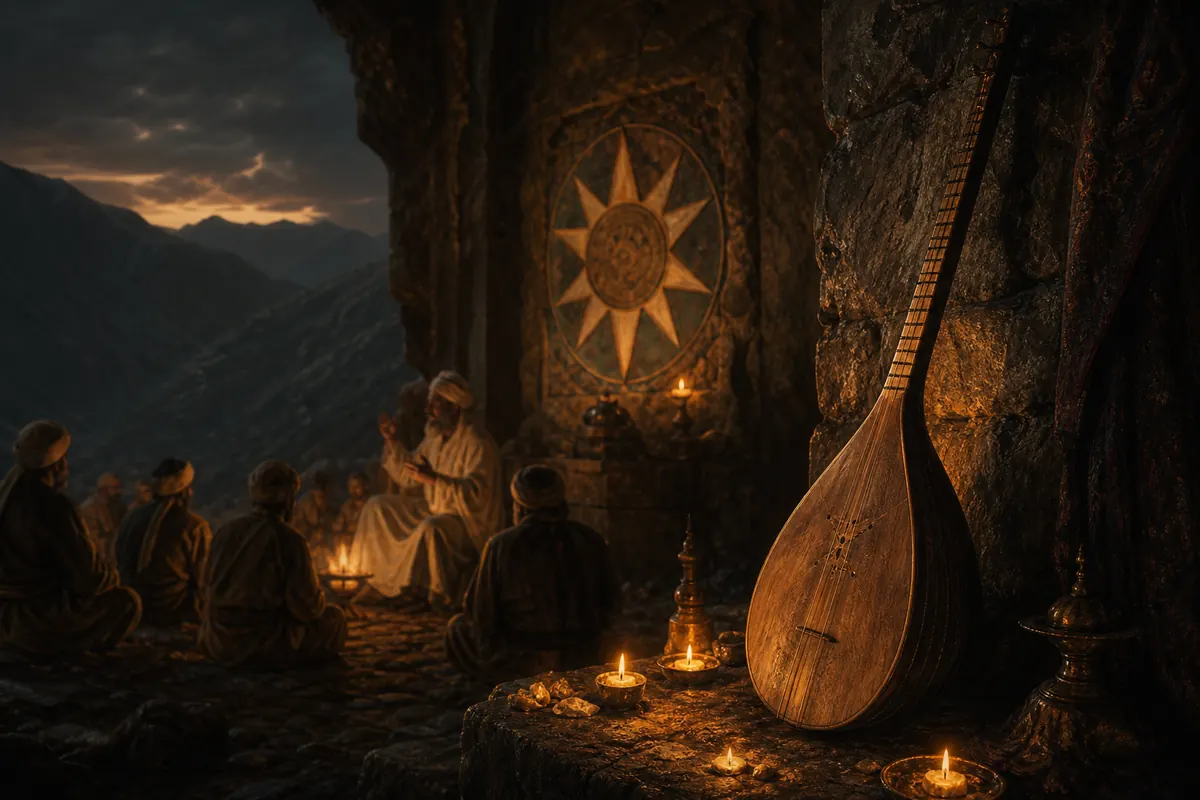
Most Kurdish instruments are musical objects. The tanbur is also a religious one.
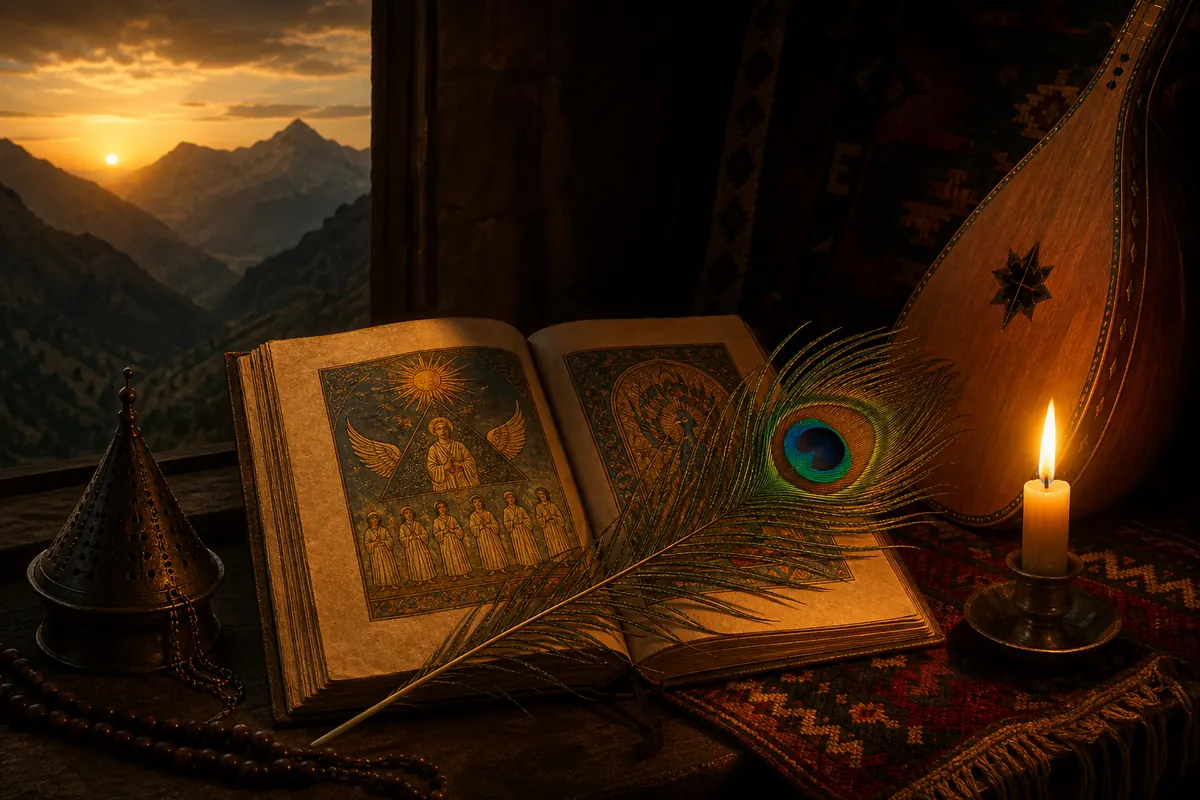
The Yezidis are one of the oldest religious communities in the world. Their faith — Yezidism (Êzîdîtî) — preserves elements of pre-Zoroastrian Iranian religion that nowhere else has survived. Their…
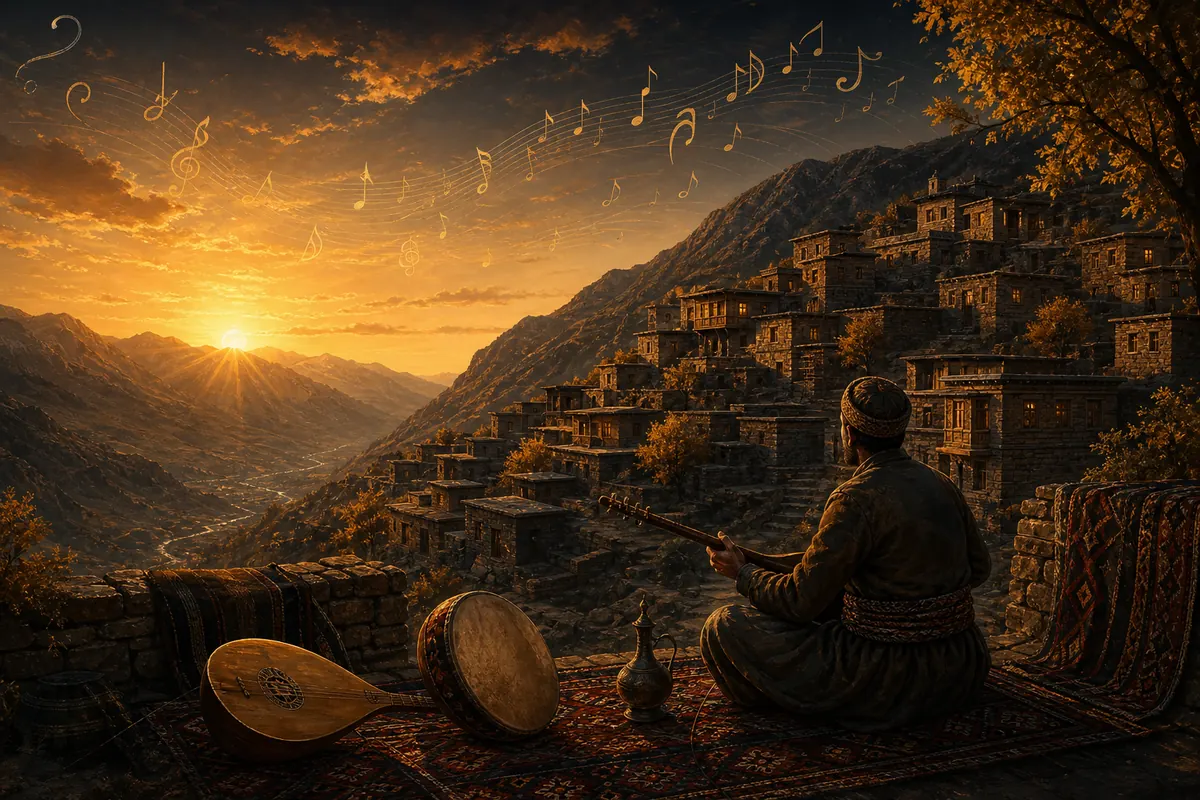
When people talk about Kurdish music, they usually mean Sorani or Kurmanji. But the Kurdish language family is bigger than two main dialects, and the smaller Kurdish dialects have their own musical…
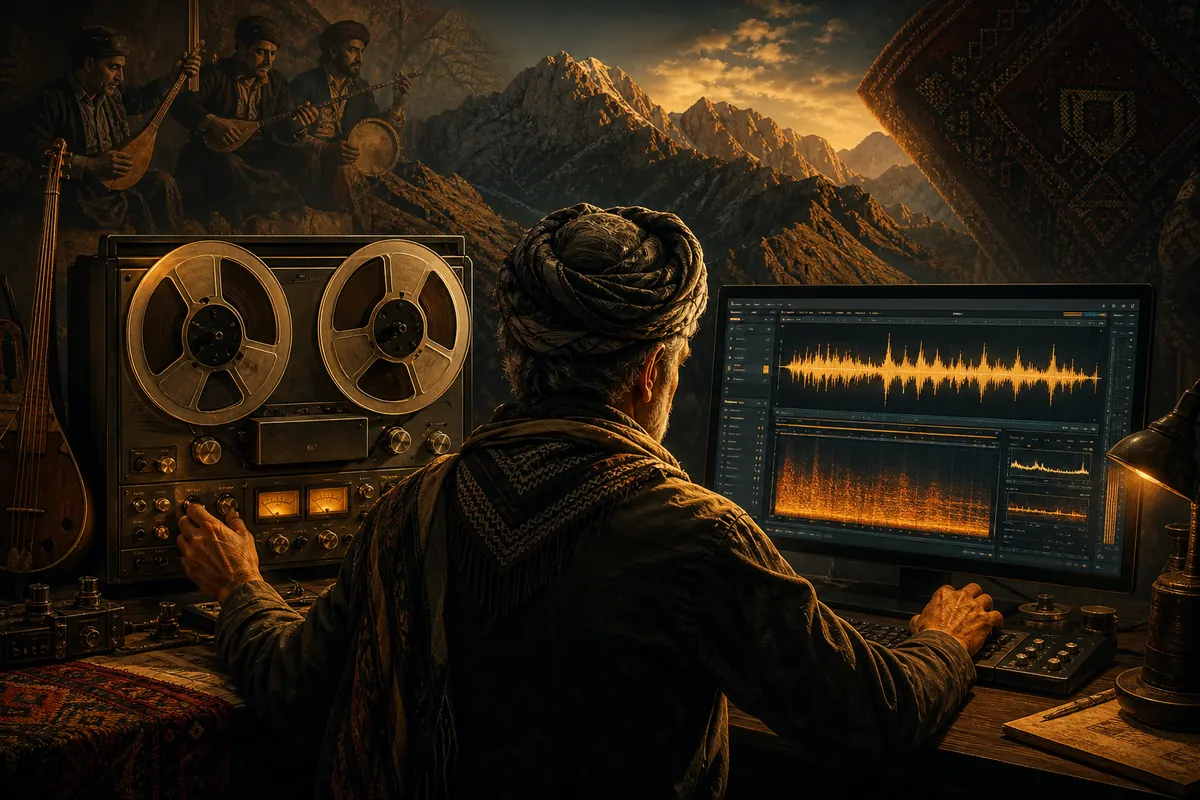
The 2020s have brought AI tools that can generate music in seconds, transcribe recordings into notation, and even clone specific voices. For an endangered musical tradition like Kurdish folk music…
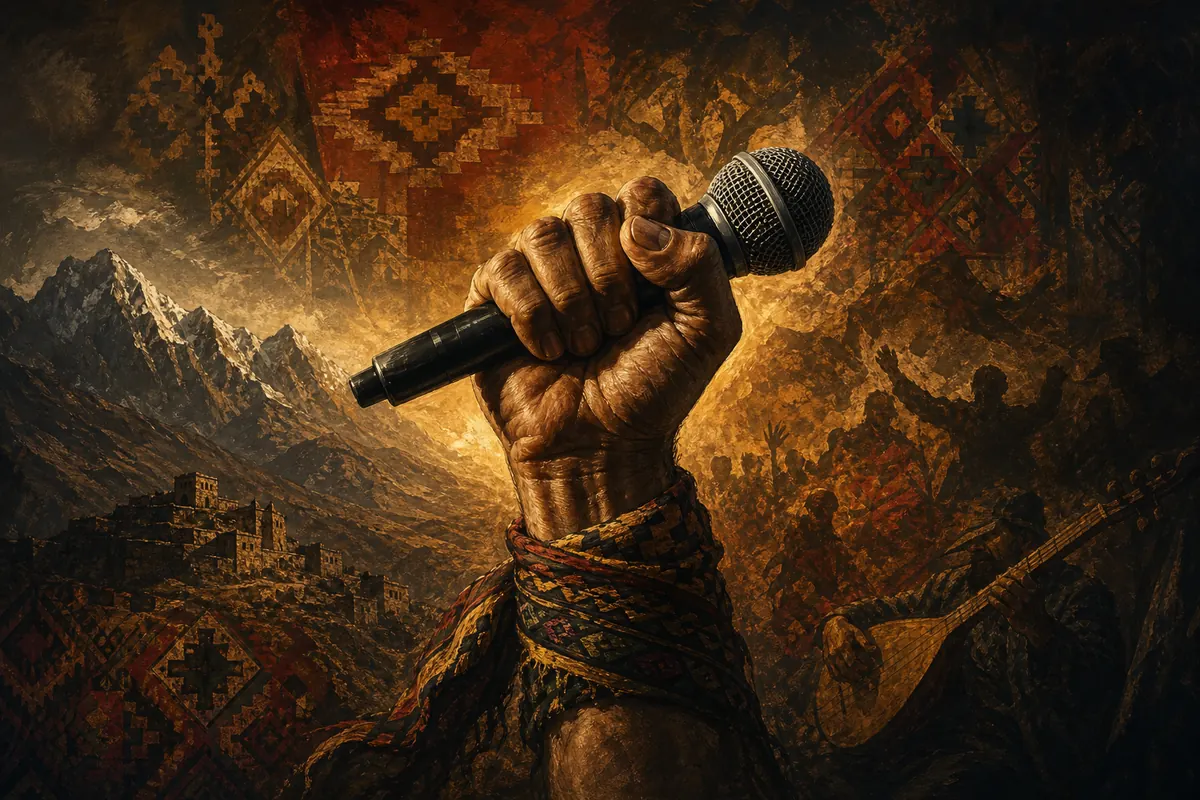
In the 1970s and 80s, Kurdish music became inseparable from Kurdish politics. Songs that were folk lullabies in 1960 became coded political statements by 1980. Songs that were straightforward…
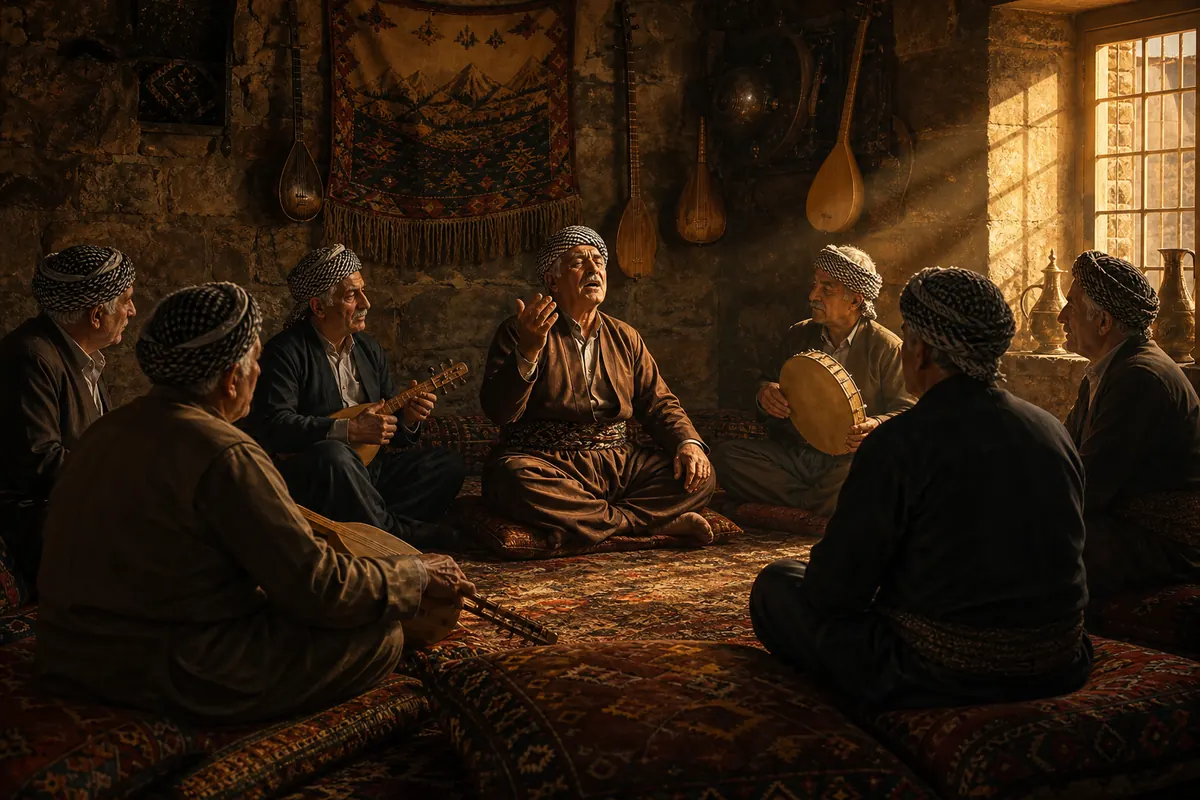
If you want to hear what dengbêj music actually sounds like in 2026, there's a place to go: a renovated traditional Kurdish house in the historic Sur district of Diyarbakır, called Mala Dengbêjan …